
Cost Factors That Influence Professional Local Dent Repair Pricing
The necessity of local dent repair is not just about keeping your car looking pristine—it’s crucial for maintaining both the value and functionality of your vehicle. Even minor dents and dings, if left unattended, can lead to paint damage, rust, or more serious structural issues over time. For vehicle owners, understanding what influences professional local dent repair costs is essential. Knowing these factors helps you make informed decisions, plan your budget wisely, and avoid unexpected expenses. Repair costs are not random—they reflect a combination of labor, materials, techniques, and market conditions. This article explores the key elements that affect dent repair pricing, from the type and severity of damage to labor expertise, tools, and broader market dynamics, giving you the insight needed to navigate repair options confidently.
Type and Severity of the Damage
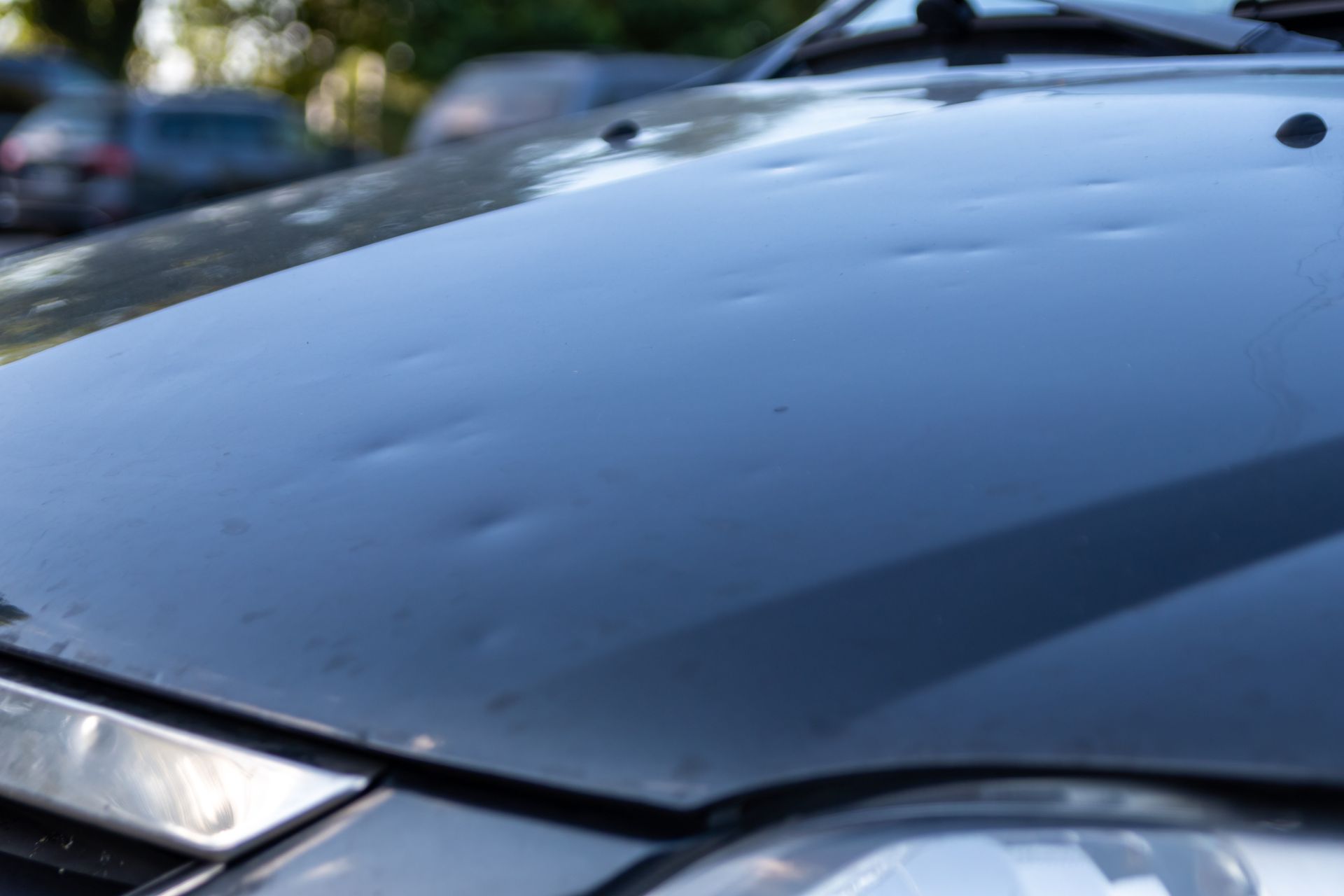
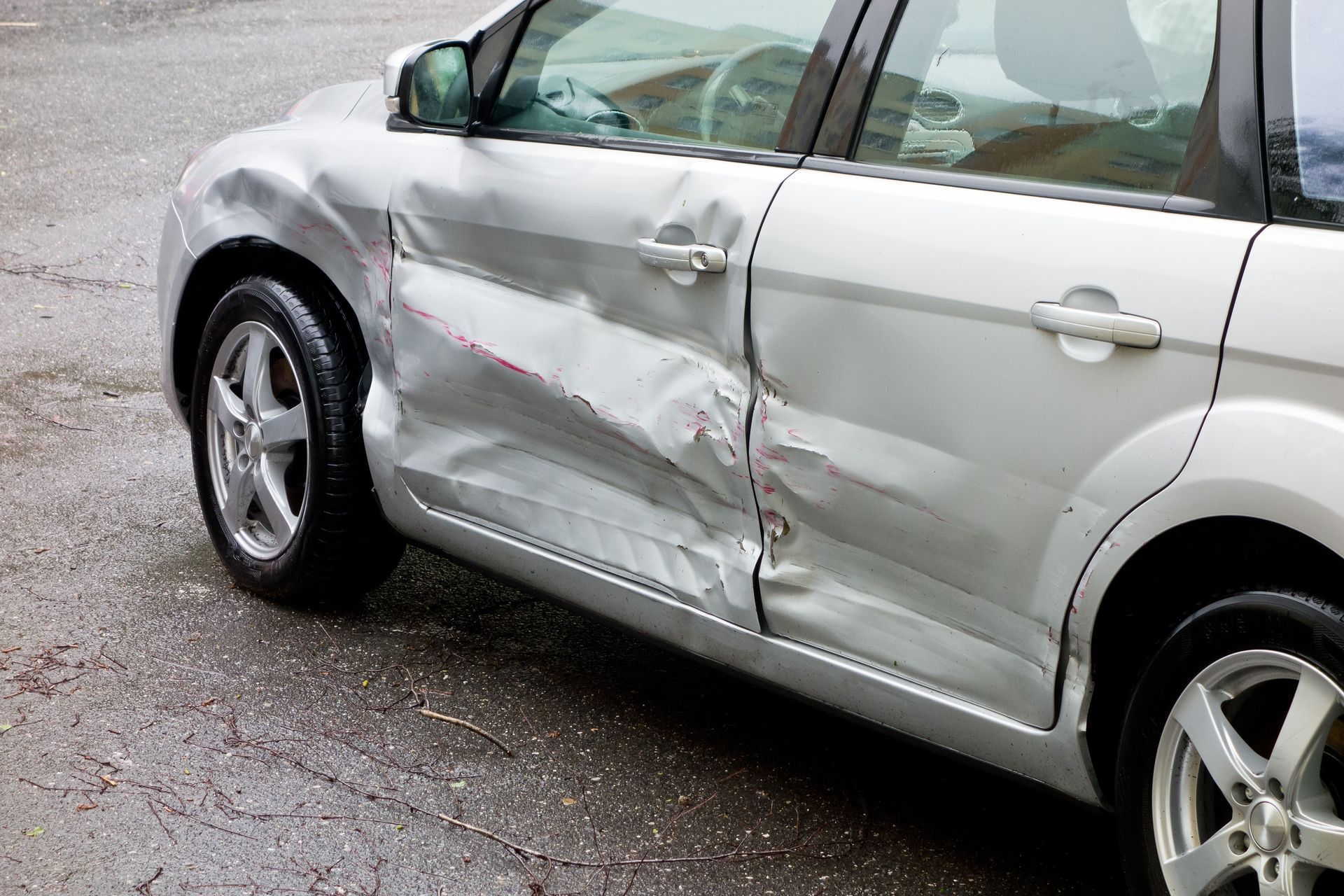
One of the first factors to consider is the type and severity of the dent itself. Small dents, such as those caused by minor collisions, shopping cart bumps, or hail, typically require less time and fewer resources to fix. Larger dents or deep impacts, however, may span multiple panels and require more intricate techniques. The depth of a dent also plays a role: shallow dents might only affect the surface layer, while deeper dents can penetrate multiple layers of a body panel, necessitating more specialized work. This complexity is reflected in labor costs and repair time.
The intricacy of the repair process for severe dents often requires advanced tools and techniques. For example, paintless dent repair (PDR) may be sufficient for smaller dents where the paint is intact, but larger or deeper damage might require conventional bodywork methods, fillers, and even repainting. The rising sophistication of dent repair technology, reflected in the booming automotive paintless dent removal tools market—expected to reach USD 2.5 billion by 2033, growing at a CAGR of 8.8% from 2026 to 2033 according to Verified Market Reports—means that repairs can now be done more efficiently and precisely, but the investment in these tools and technician training is included in the pricing. Understanding how dent type and severity affect costs helps you anticipate the range of expenses you may encounter and choose the repair method that offers the best balance of quality and value.
Location of the Damage
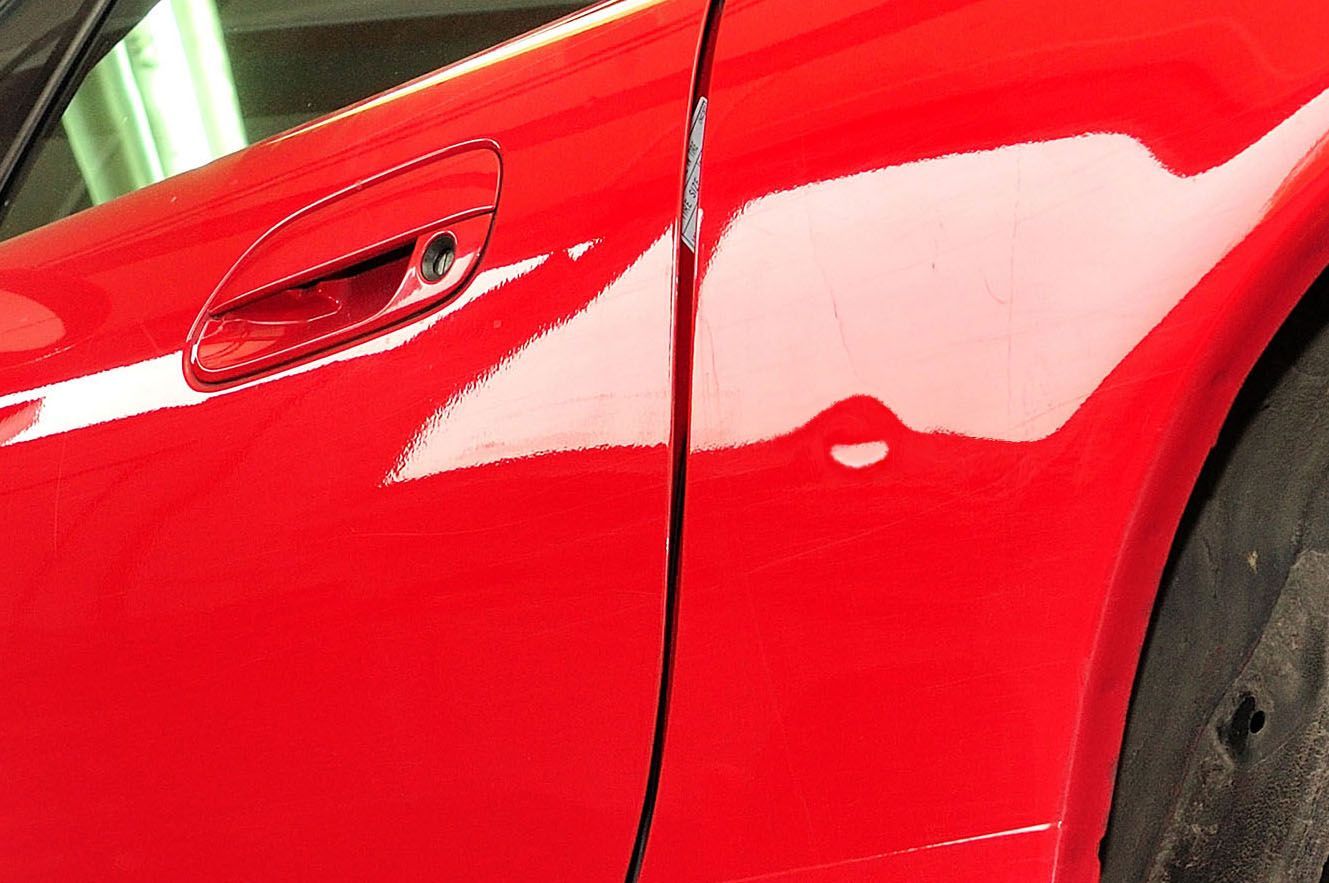
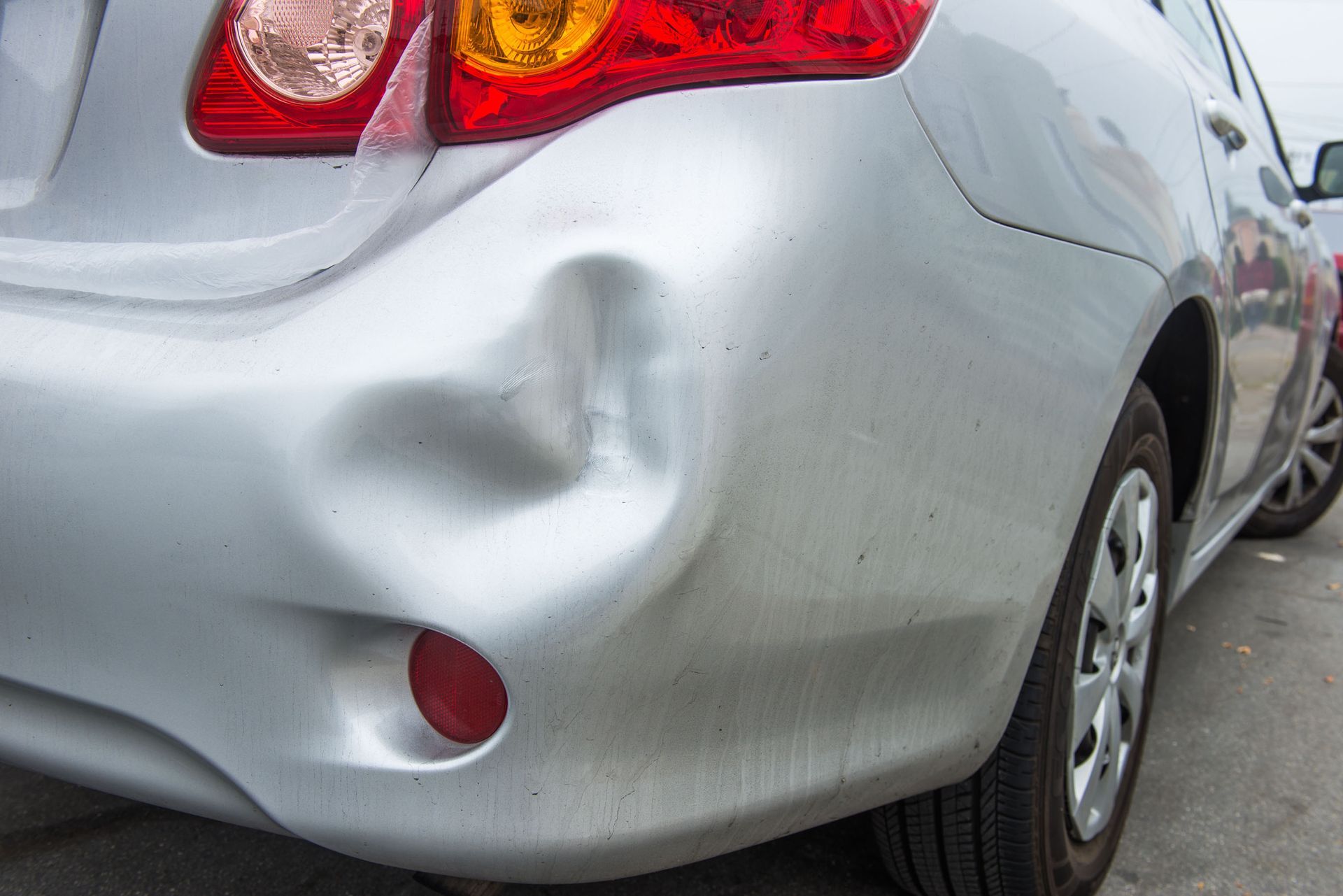
Where a dent is located on a vehicle significantly influences repair costs. Dents on accessible areas, such as bumpers or fenders, are typically easier to repair. However, dents on roofs, doors, or near trims can be more challenging due to accessibility issues or the need to dismantle components to reach the damaged panel. Highly visible dents, particularly those on vehicle fronts or sides, often require meticulous attention to maintain aesthetics and resale value.
Dents in difficult locations may also demand more advanced tools or specialized techniques. For instance, roof dents often need careful reshaping to preserve the car’s silhouette, while dents near door handles or trim pieces require precision to avoid additional damage. This increased effort and time translate to higher labor costs. Vehicle owners who understand the role of dent location in pricing can make more informed decisions about when and where to repair, potentially combining minor repairs to reduce overall costs while ensuring the vehicle remains in excellent condition. Ultimately, the position of the damage is a key determinant of professional local dent repair pricing.
Shape and Complexity
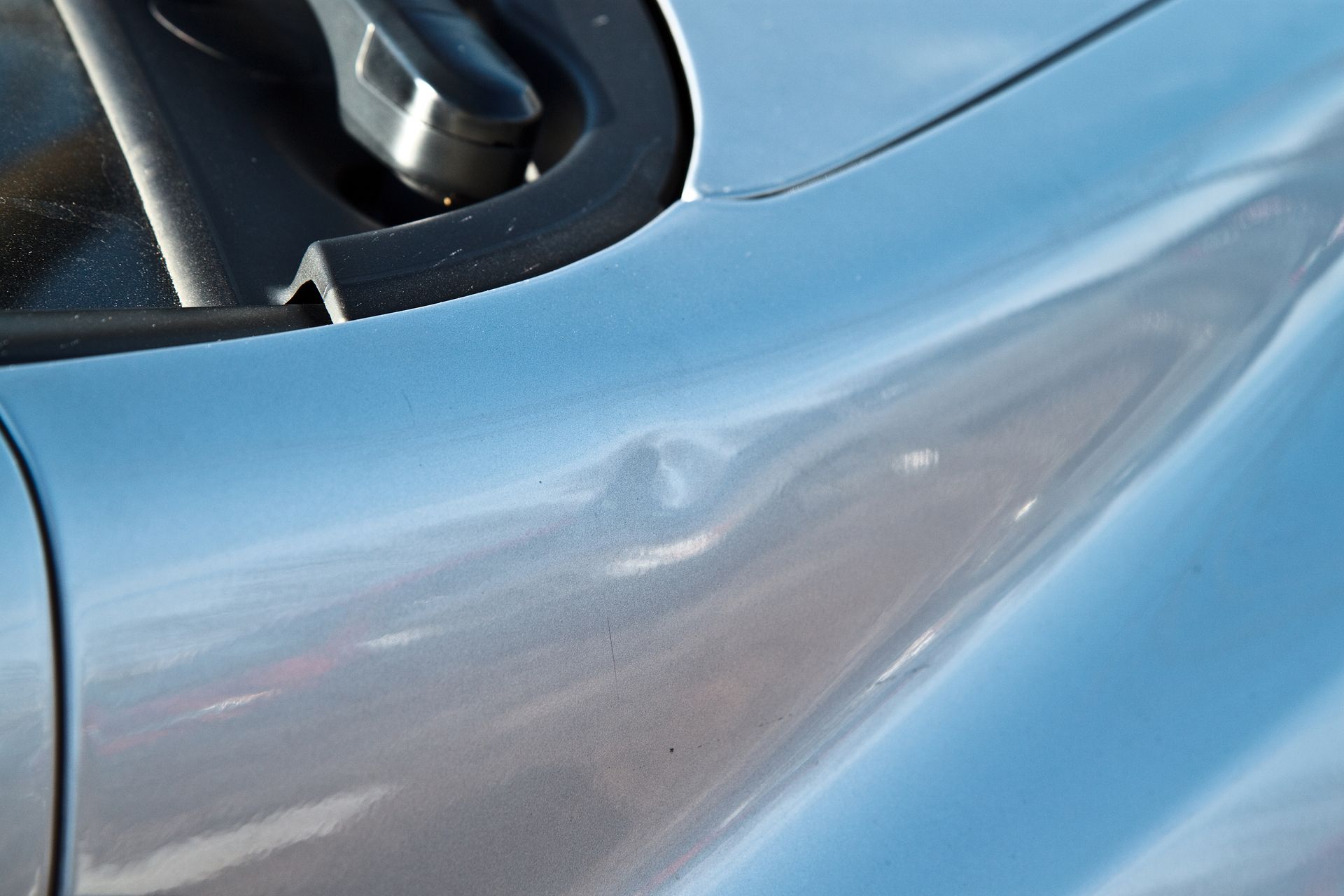
The shape and complexity of a dent is another factor that drives cost. Simple, rounded dents are usually straightforward to fix and often only require standard PDR techniques. Irregular dents, on the other hand, with sharp folds, creases, or multiple angles, present a greater challenge. Repairing these requires expert skill, patience, and sometimes advanced tools to achieve a flawless finish.
Complex dents may necessitate additional labor, more time-intensive techniques, or specialized training for technicians. This means higher pricing for intricate repairs because skill and precision directly correlate with quality outcomes. For consumers, understanding the impact of dent complexity helps justify cost differences between minor cosmetic repairs and more challenging structural fixes. Knowing the skill level required to address complex dents allows you to select a repair shop that can handle the work properly and efficiently, ensuring your vehicle looks as good as new and retains its value. In short, shape and complexity can significantly influence the overall cost of local dent repair.
Extent of Paint Damage
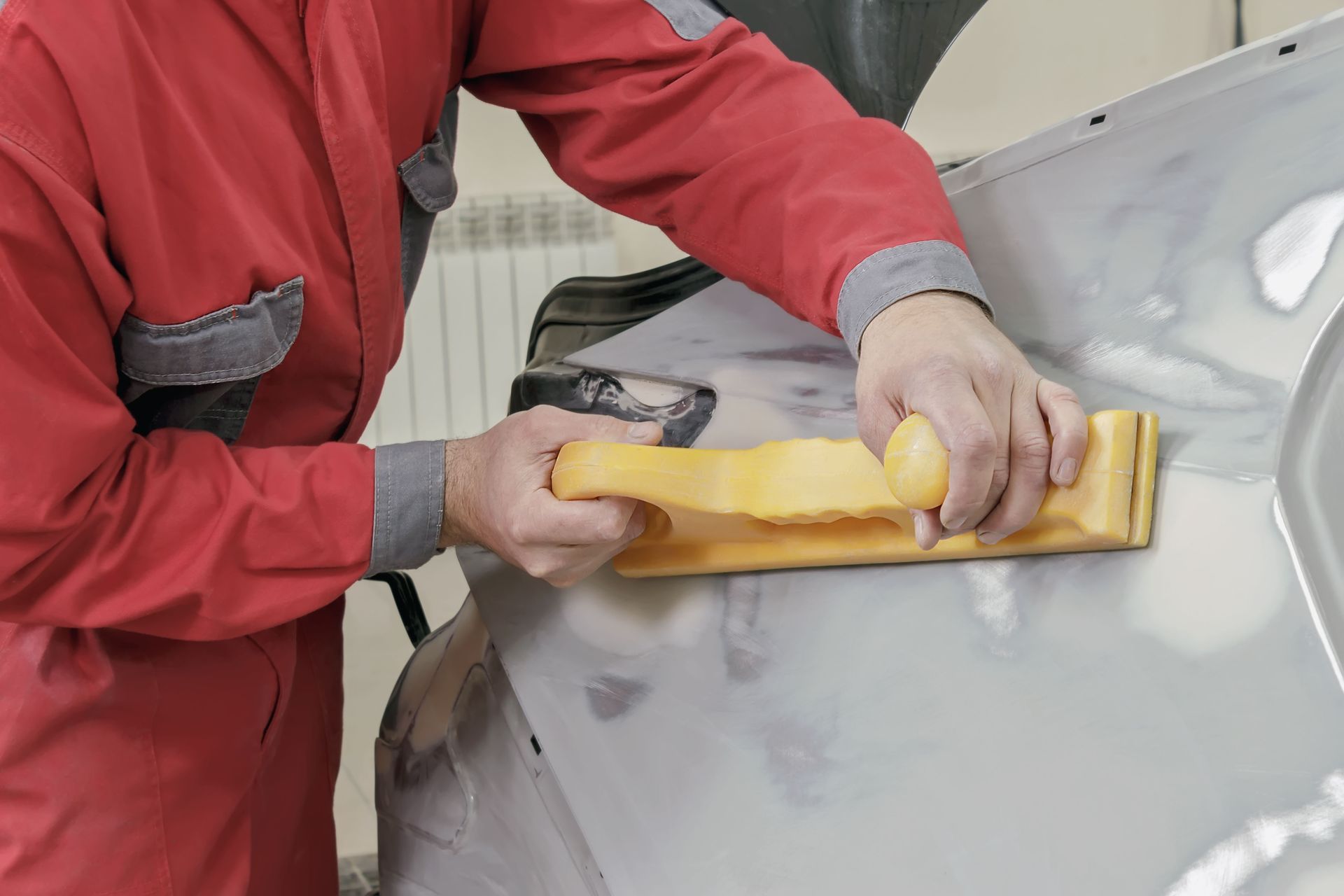
Paint damage is one of the most critical cost factors in dent repair. When a dent causes cracking, chipping, or peeling, repairs must go beyond reshaping the panel and include repainting. Achieving a seamless color match requires skill, quality materials, and time. Even minor touch-ups can significantly impact pricing because they involve careful prep, painting, and curing to maintain the original factory finish.
High-quality paint and application are essential for preserving both aesthetics and resale value. Skipping proper paintwork or using cheaper materials may save money initially but can reduce durability and lead to future issues. Understanding the effect of paint damage on cost ensures vehicle owners can budget appropriately and choose repair services that prioritize quality. It also highlights why professional local dent repair providers invest in technology and techniques that maintain color integrity and panel smoothness, enhancing both appearance and long-term value.
Materials and Tools Required
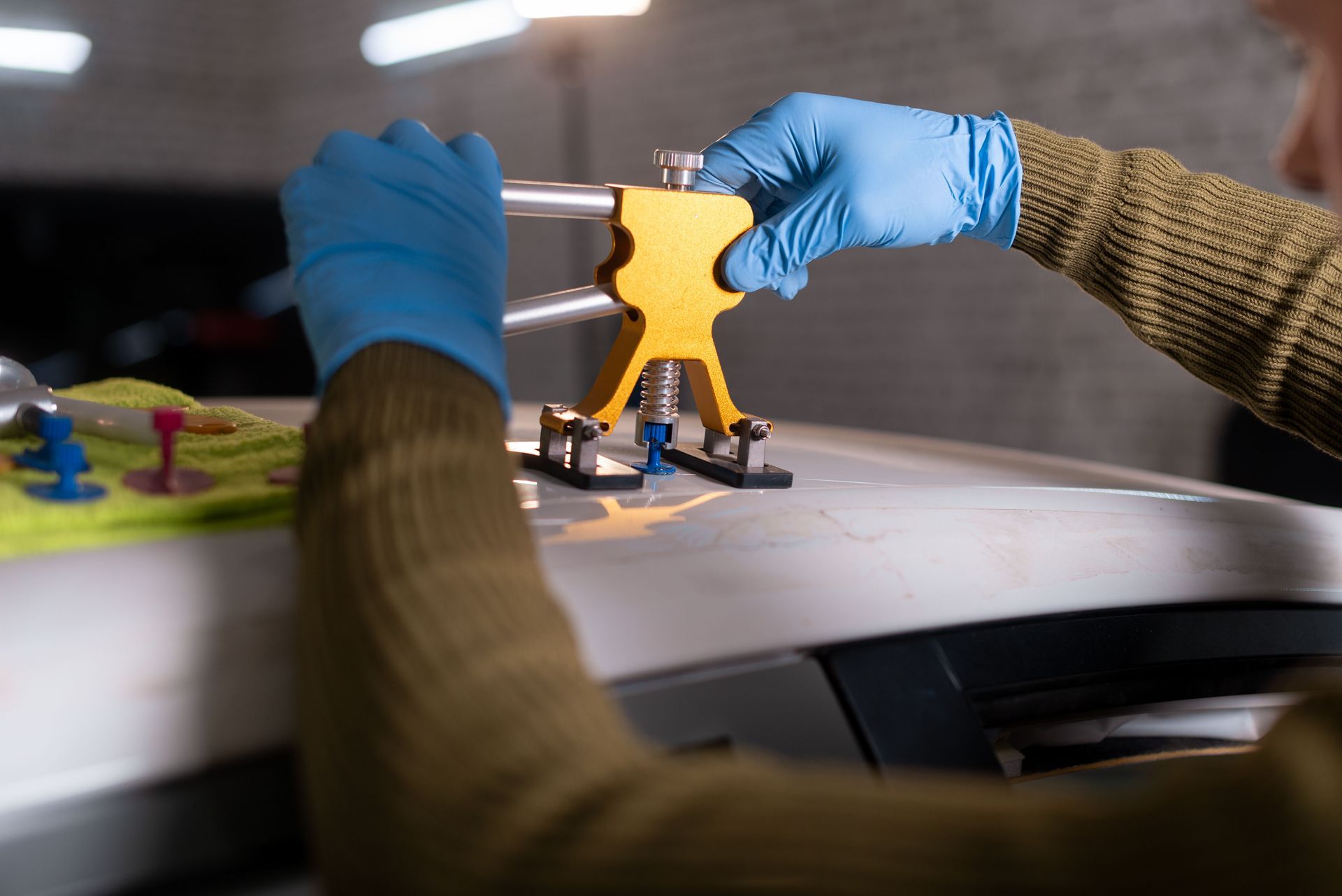
The materials and tools used in repair work heavily influence cost. Minor dents may require only basic rods, hammers, or suction devices, while larger or more complex dents often necessitate advanced equipment such as laser alignment systems, computerized paint-matching tools, and high-end PDR devices. Investing in these technologies allows shops to provide precise, high-quality repairs but adds to operational costs, which are reflected in pricing.
The type of vehicle material also plays a role. Steel-bodied cars are common, but aluminum or composite materials require specialized handling. Aluminum, for example, is lightweight and pliable, demanding careful techniques to prevent further deformation. Repairs on aluminum vehicles often cost more because technicians need additional training and tools to achieve professional results. Replacement parts, if necessary, also contribute to overall cost. OEM parts maintain vehicle integrity and aesthetics but are more expensive, while aftermarket alternatives can be cheaper but may not match perfectly. Considering the impact of materials and tools on price helps consumers understand the value behind professional local dent repair services.
Labor Costs
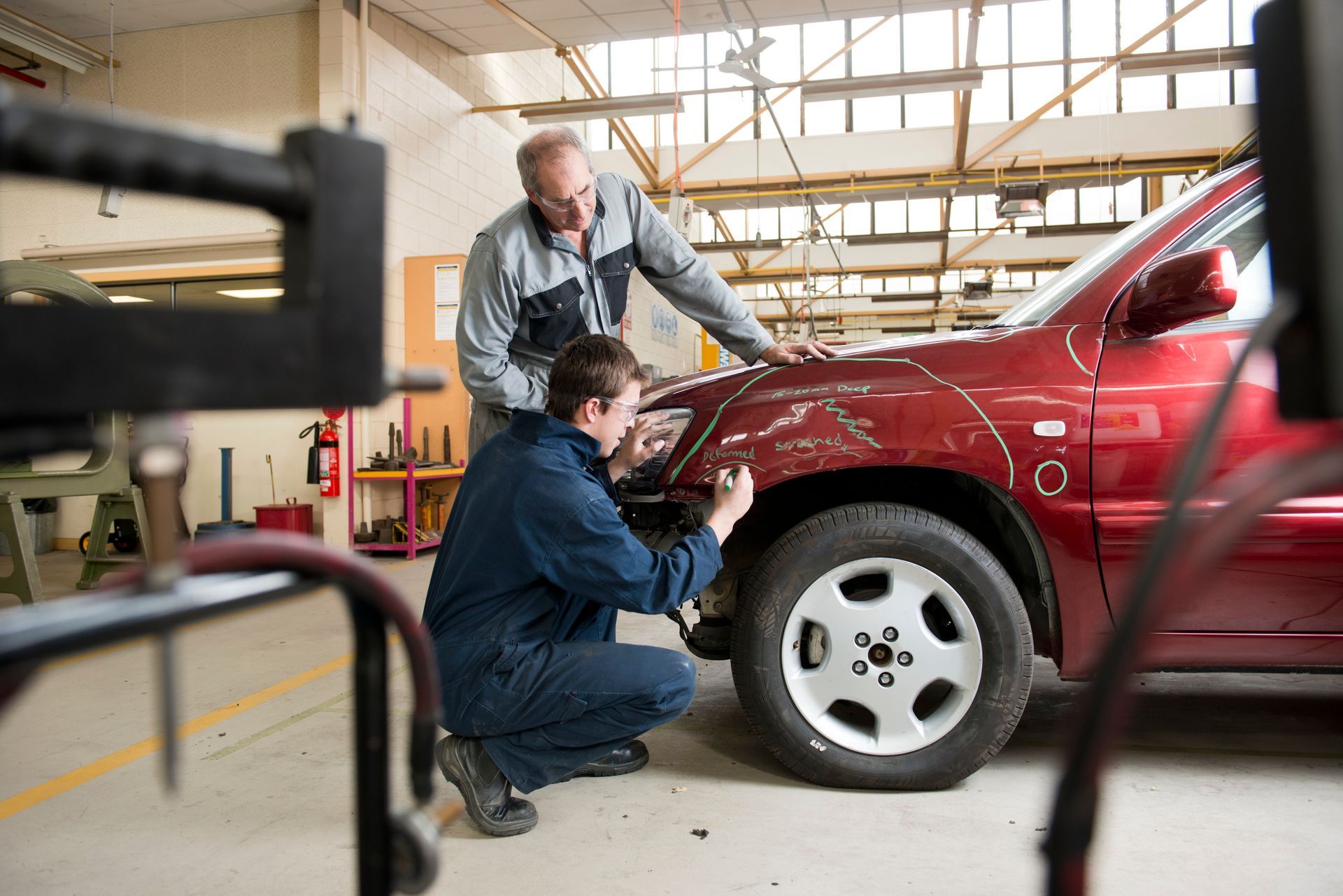
Labor is a significant contributor to local dent repair pricing. The experience and expertise of technicians can vary widely, with seasoned professionals commanding higher fees due to their skill in delivering precise, high-quality results. Less experienced technicians may offer lower rates, but repairs may require adjustments or rework, ultimately affecting total costs. Experienced labor reduces the likelihood of mistakes and ensures a smoother repair process, especially for complex or visible dents.
Geographic location further affects labor costs. Urban repair shops often charge more due to higher operating expenses, while smaller towns or rural areas may offer more competitive pricing. Vehicle owners should weigh technician expertise against location to find the best combination of quality and affordability. Investing in skilled labor may cost more upfront, but it typically provides superior results and long-term satisfaction, reflecting the value of professional local dent repair services.
Insurance and Market Dynamics
Insurance coverage and market conditions also influence dent repair pricing. Repair shops that work with insurance companies often provide more predictable costs for clients, while regions with high demand for dent repair services may experience elevated pricing. Vehicle owners should be aware of how insurance coverage, market trends, and tool advancements impact overall costs. Being informed enables consumers to make strategic decisions about timing, repair methods, and service providers. Understanding market dynamics ensures that you can find competitive pricing while still receiving quality workmanship, making local dent repair both cost-effective and reliable.
Professional local dent repair costs are shaped by multiple interrelated factors: the type and severity of the damage, location and complexity of the dent, extent of paint damage, the materials and tools required, labor expertise, and market conditions. By understanding these elements, vehicle owners can make informed decisions, balance cost with quality, and maintain the aesthetic and functional integrity of their vehicles. Awareness of repair techniques, such as paintless dent repair, combined with insights into industry trends, helps consumers optimize both outcomes and budgets. For reliable, professional, and cost-conscious local dent repair services, trust Bismarck Dent Company to restore your vehicle to its best condition.


Share On: