
Auto Hail Repair: How to Spot Hidden Hail Damage That Could Lower Your Car’s Value
Understanding the hidden impact of hail damage on your car's value is crucial for maintaining its resale value. Hail storms can severely affect the condition and appearance of a vehicle, which inevitably impacts its market standing. This article will guide you through identifying hidden hail damage, assessing its impact, and navigating the auto hail repair process. With proper knowledge, you can avoid depreciative consequences that could lower your car's worth. Let's uncover the necessary steps to safeguard your vehicle against the detriments of hail damage.
Understanding Hail Damage
The Nature of Hail Damage
Hail damage occurs when ice chunks, formed during severe storms, strike your car. These ice particles vary in size, with some growing as large as softballs, causing significant damage. Dents, scratches, and broken glass are just a few visible consequences of such impacts. The nature of the damage can vary greatly depending on the storm's intensity and duration. Annually, hail causes about $1.07 billion in property damage across the U.S., according to the Federal Emergency Management Agency, highlighting the severe economic burden it can impose.
Factors Influencing the Severity of Hail Damage
Several factors influence the extent of hail damage your vehicle might suffer. The size and hardness of the hailstones are primary determinants, with larger stones causing more profound impact craters. Additionally, the speed and angle at which they hit your car influence the severity of the damage. The car's material — whether it's aluminum, steel, or fiberglass — can also determine how susceptible it is to dents and scratches. The duration of exposure during a storm can further worsen the damage as continuous pelting amplifies its cumulative effect.
Common Areas Prone to Hail Damage
Various parts of a car are more susceptible to hail damage than others. The roof, hood, and trunk are frequently hit due to their horizontal positioning. Windshields and windows are at natural risk, especially given their fragility compared to metal parts. Side panels can also experience noticeable dents, although they are somewhat shielded by the car's design. Full-blown hail storms can leave your entire vehicle, including its unseen undercarriage, compromised and at risk of decreased value.
Signs of Initially Visible Hail Damage
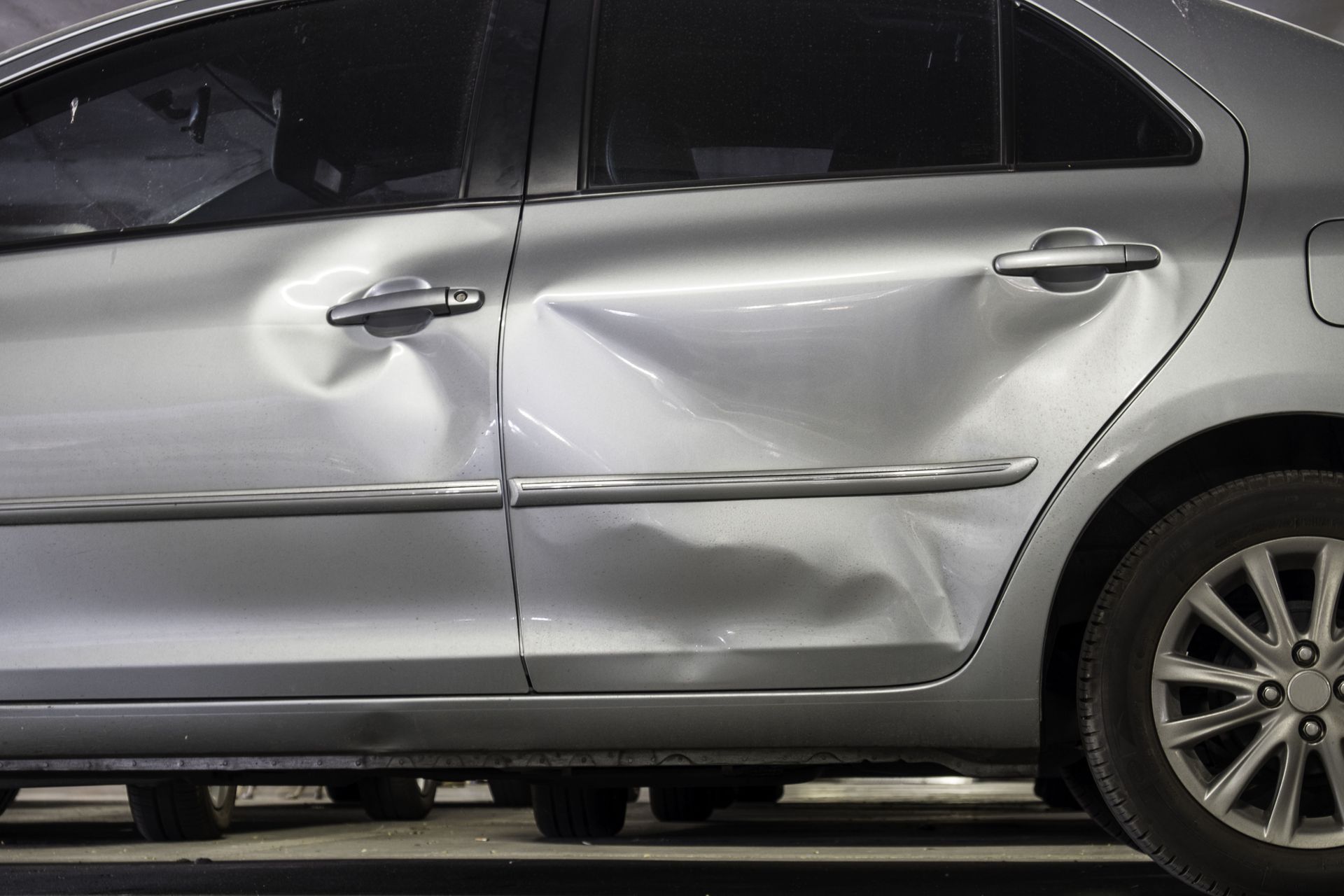
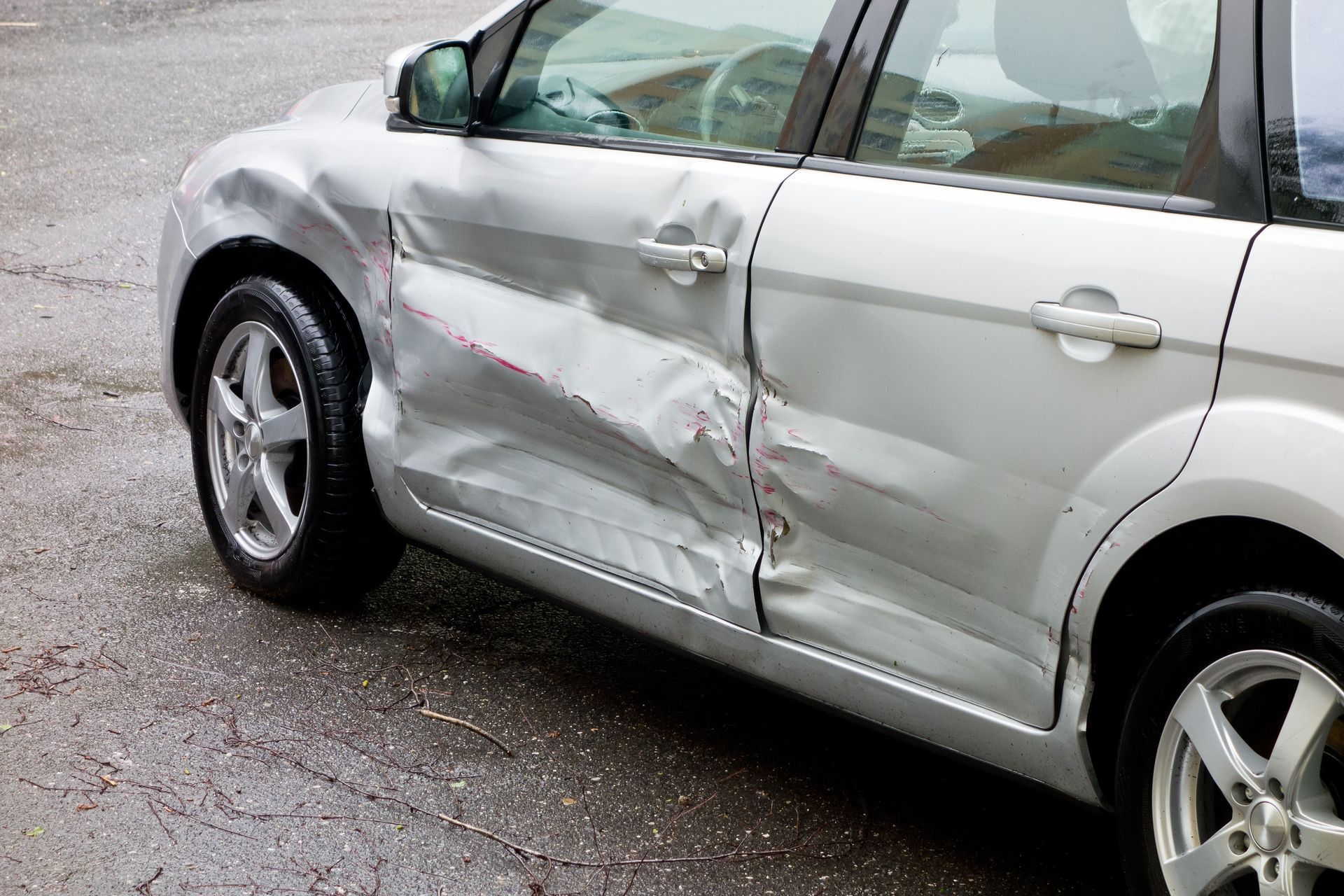
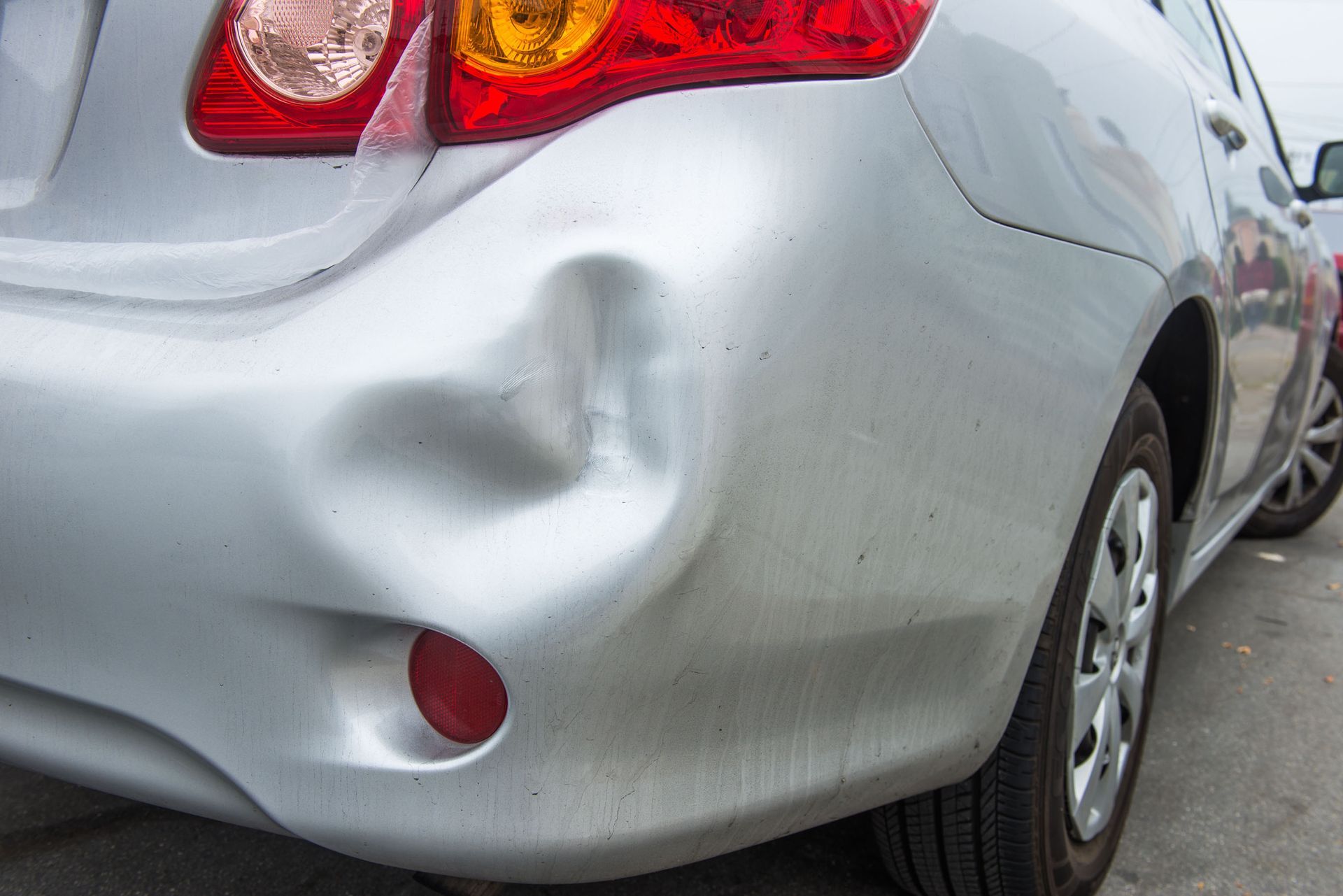
Initially visible hail damage often includes noticeable dents and scratches on the car's surface. Windshields may develop chips or cracks, disrupting driver visibility and compromising safety. Sometimes, the paint can be chipped off revealing the underlying material. Another potential consequence is damage to external parts such as side mirrors and headlights, which can be dislodged or broken. These visible marks significantly hinder the car's aesthetic appeal, prompting prompt examination and auto hail repair.
The Cumulative Impact of Multiple Hail Storms
Recurrent exposure to hail storms can exponentially increase the cumulative damage to your vehicle. Each subsequent storm adds more dents and scratches, eroding the car's structural integrity. Continuous impacts may worsen small cracks, eventually leading to larger openings or complete part failure. Regularly enduring such weather conditions accelerates wear and tear, naturally diminishing the car's resale and trade-in values. Comprehensive assessment and timely intervention are critical to preventing long-term financial and operational effects.
Identifying Hidden Hail Damage
Subtle Indicators of Hail Damage
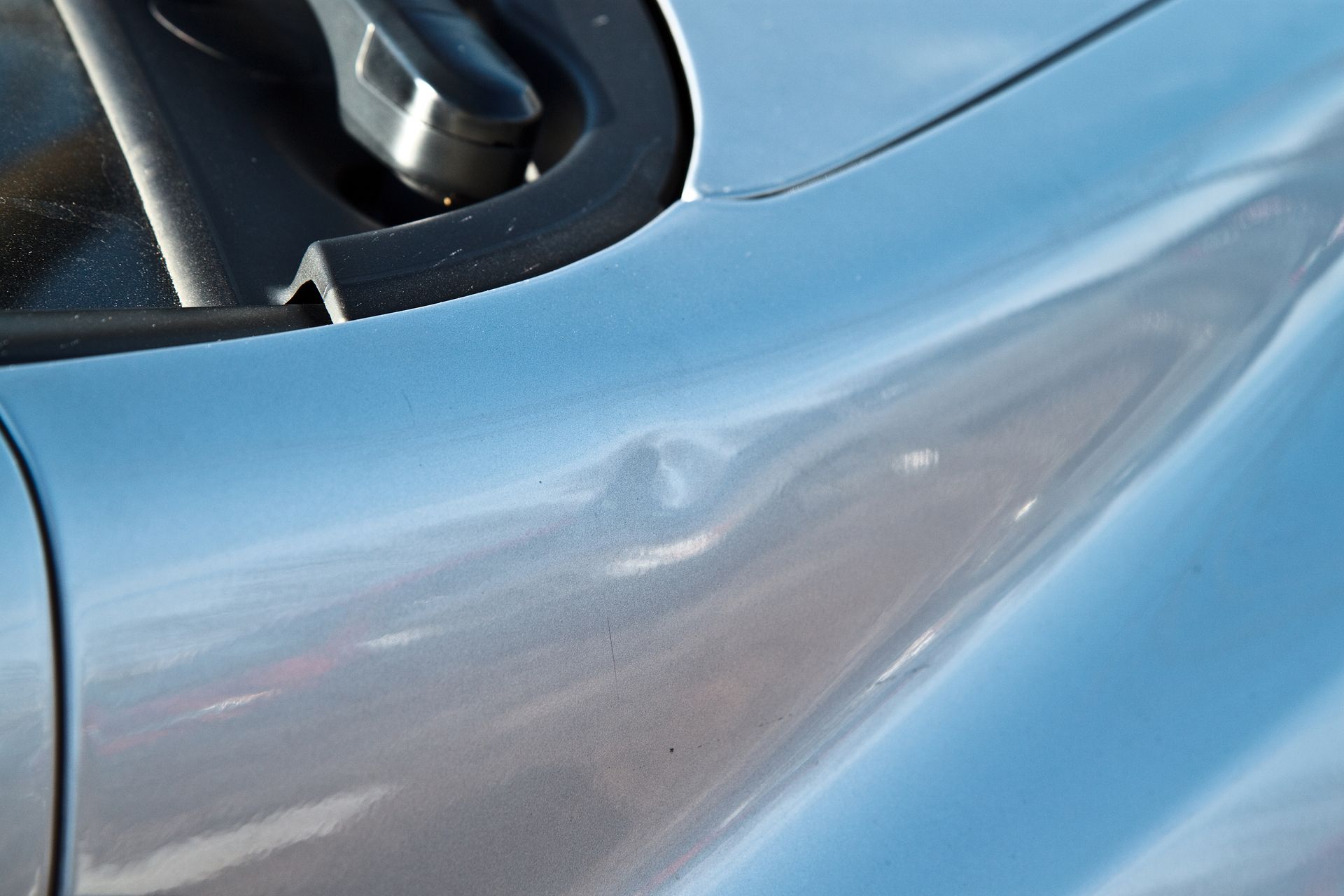
While some damage is visible to the naked eye, identifying hidden hail damage requires keen observation. Look for inconsistencies like slight paint discolorations, as hail impacts might slightly alter the hue when light strikes. Drainage systems and door seals can experience hidden fractures that necessitate close inspection. Additionally, rattling sounds while driving could indicate unnoticeable structural compromises. Focusing on these subtle signs can protect you from underestimated auto hail repair needs and costs.
Utilizing Proper Lighting Techniques
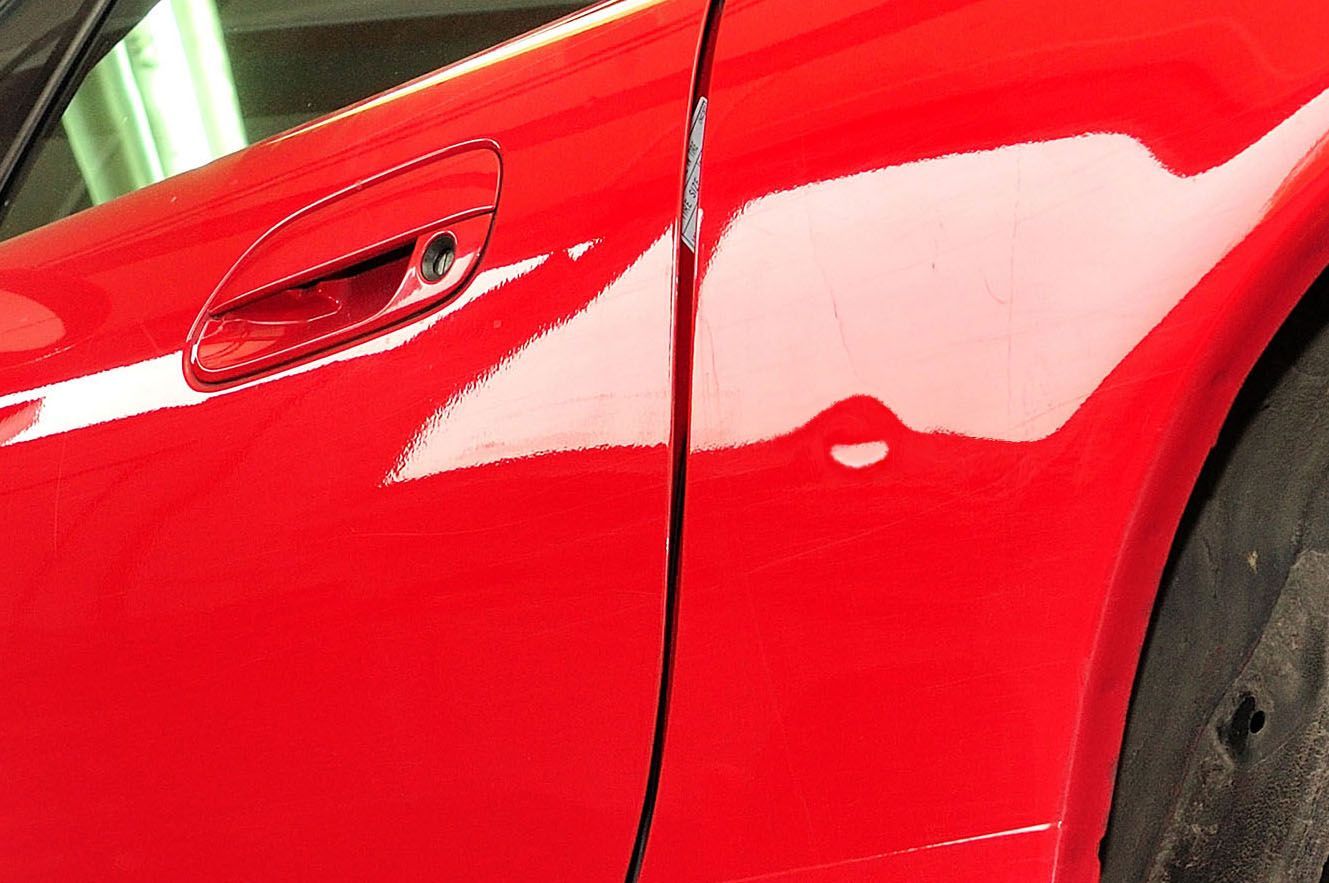
Effective lighting techniques can reveal hidden damages that are not immediately apparent. Using bright, direct lighting at various angles helps highlight surface unevenness. Shadows cast by imperfections such as dents can be observed under such conditions, allowing for meticulous inspection. Professionals often use LED or halogen lights to inspect cars comprehensively for any inconsistencies. Alternating lighting techniques can greatly assist in the accurate identification of all hail-caused damage.
The Role of Professional Inspections
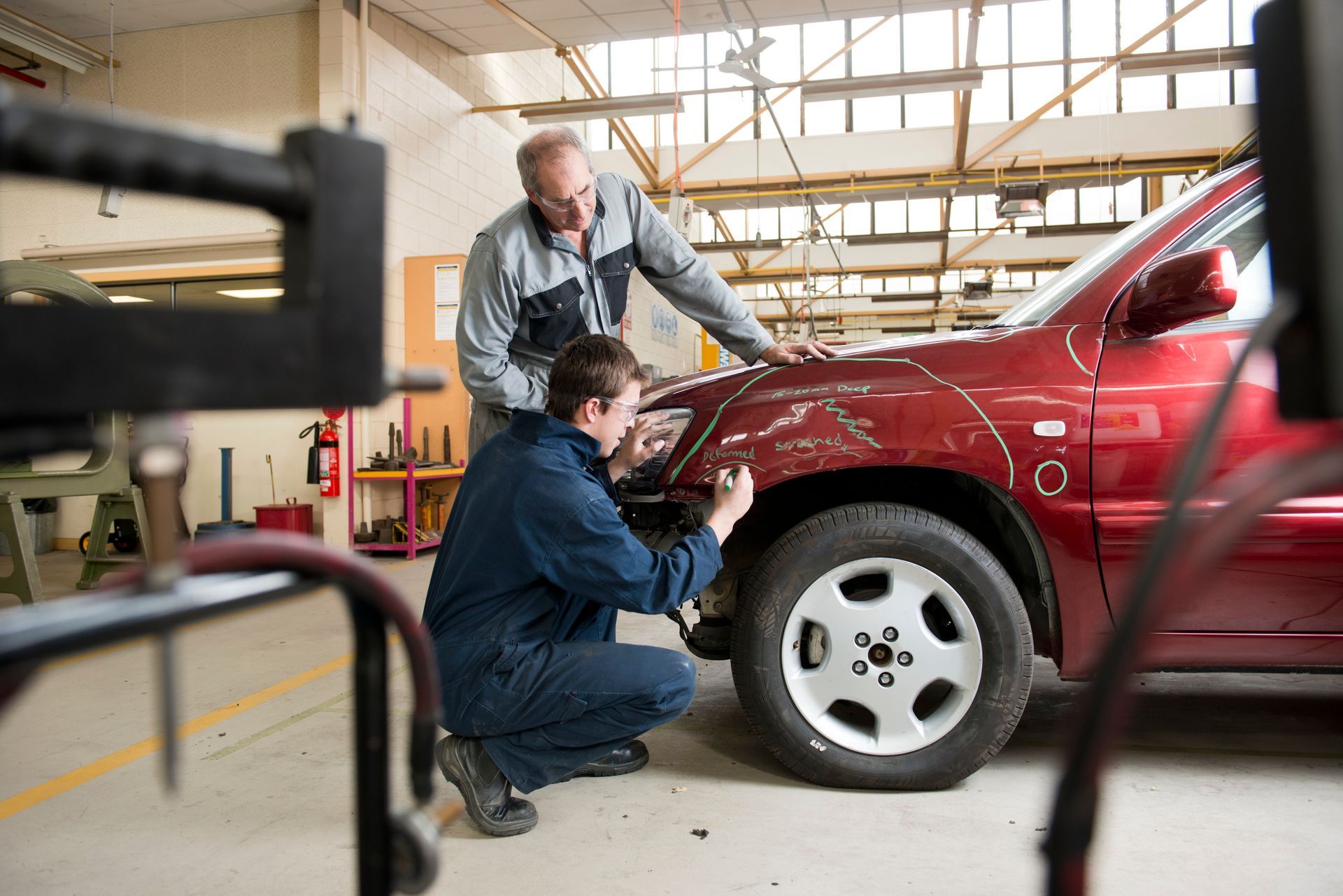
Professional inspections are invaluable in identifying hidden hail damage effectively. Skilled technicians leverage advanced tools and techniques to assess every part of your vehicle comprehensively. Inspections document all areas from rooftop down to the undercarriage for any signs of structural weakening or visual impairment. Professionals also compile detailed reports to help gauge the full extent of the damage for insurance and resale purposes. Ensuring your car is professionally evaluated increases the likelihood of completely resolving all damage-related issues.
Difference Between Hidden and Cosmetic Damage
Hidden hail damage often affects structural or functional aspects, whereas cosmetic damage primarily impacts the vehicle's appearance. Cosmetic issues might include minor dents and paint discolorations, which don't compromise the car's operation. However, hidden damage can lead to functionality problems such as water leaks or diminished aerodynamics. Ignoring this underlying harm can create severe long-term complications, impacting safety and driving efficacy. Distinguishing between these two damage types aids in prioritizing auto hail repair efforts effectively.
Impact on Car Value
How Hail Damage Affects Resale Value
Hail damage significantly affects a car's resale value by degrading its physical condition. Prospective buyers are cautious of purchasing damaged goods, influencing their perceived value of the vehicle. Even minor visible damage can be an indicator of potential underlying problems, further deterring interest. As a result, negotiation points drop, and sellers may have to reduce the asking price to facilitate a sale. Ensuring thorough auto hail repair before selling helps maintain a competitive market value, counteracting these depreciation effects.
The Influence on Insurance Premiums
Hail damage extends its financial impact by influencing your vehicle's insurance premiums. Substantial claims following auto hail repair attempts could prompt insurers to adjust premiums upward to offset their costs. Insurance companies assess vehicles deemed at higher risk of future weather damage more strictly. The history of claims or reported damage plays a crucial role in premium calculations. Therefore, minimizing hail impact and securing informed insurance choices can reduce this secondary financial burden.
Impact on Trade-In Value
Trade-in values are directly affected by the visible and hidden hail damage present on a vehicle. Dealerships evaluate the auto hail repair costs they must incur before reselling, which influences the trade offer they extend. More damage translates to lower offers as potential repair downsides are managed proactively by dealers. Well-maintained records demonstrating effective repairs can help negotiate better trade-in positions. Regular upkeep allows you to maximize returns when upgrading to new models despite existing storm impacts.
Perceived Vs. Actual Damage Value Reduction
The perceived damage often decreases more profoundly than actual physical damage due to potential buyers' perceptions. Potential buyers might envision extensive correction issues even if all damage is purely cosmetic and does not affect performance. Creating perceived value through documented auto hail repair proofs, quality assurance checks, or certified inspections counteracts this issue. Dealers and private buyers alike gain confidence from these proactive practices, balancing perceptions with concrete sale credentials. Thus, representing accurate damage assessments through honest records aids fair market participation.
Recognizing and addressing hidden hail damage is key to preserving your car's value. The guidelines provided in this article offer a detailed roadmap towards understanding hail damage implications and managing their consequences effectively. Timely actions ensure your vehicle maintains its integrity against potential ecological adversities while safeguarding its market value. Equip yourself with this knowledge to protect your valuable investment from the unpredictable and costly nature of hail damage. If you're looking for auto hail repair services, contact Bismarck Dent Company today.


Share On: