
How Paintless Dent Removal Preserves Your Car’s Original Finish
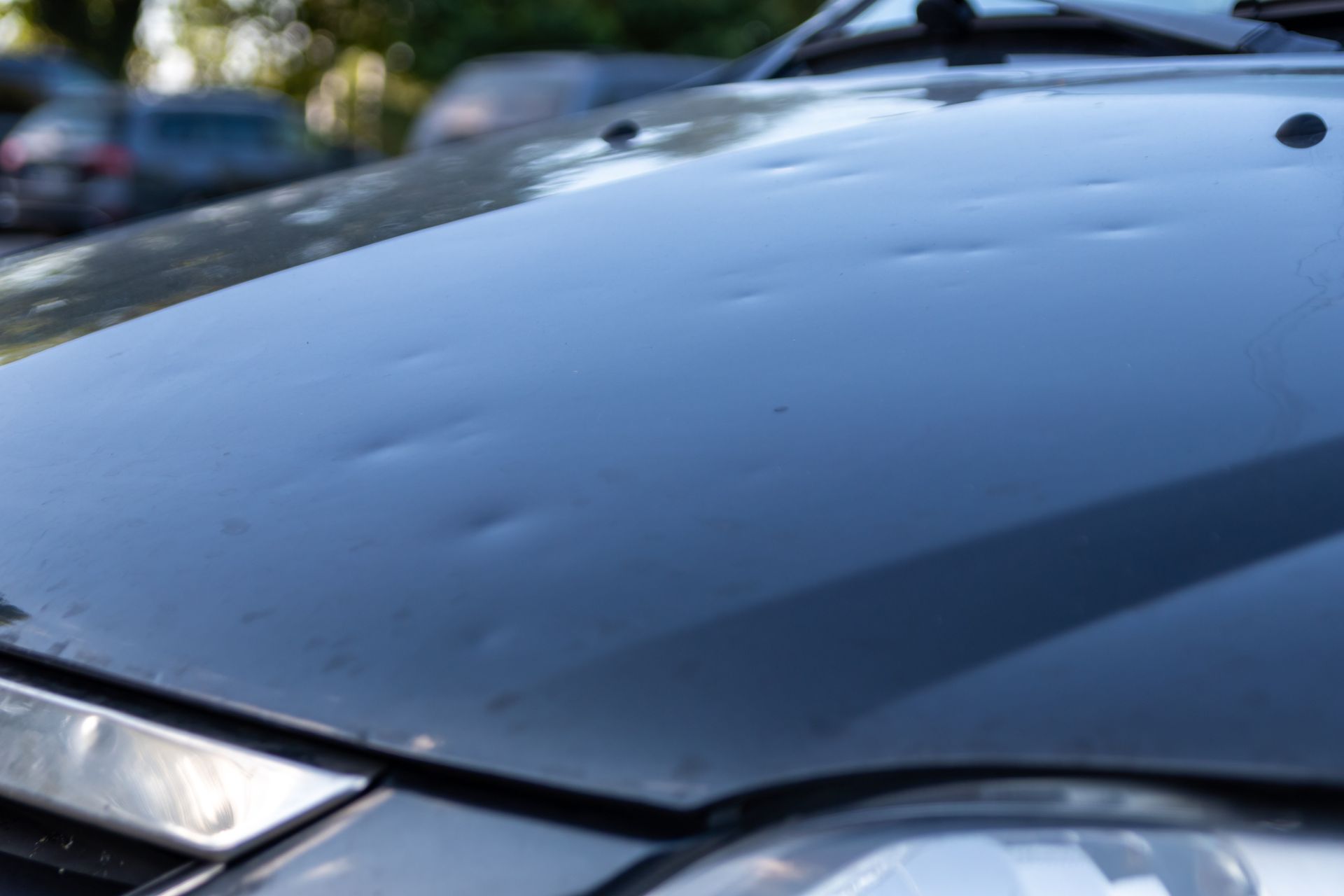
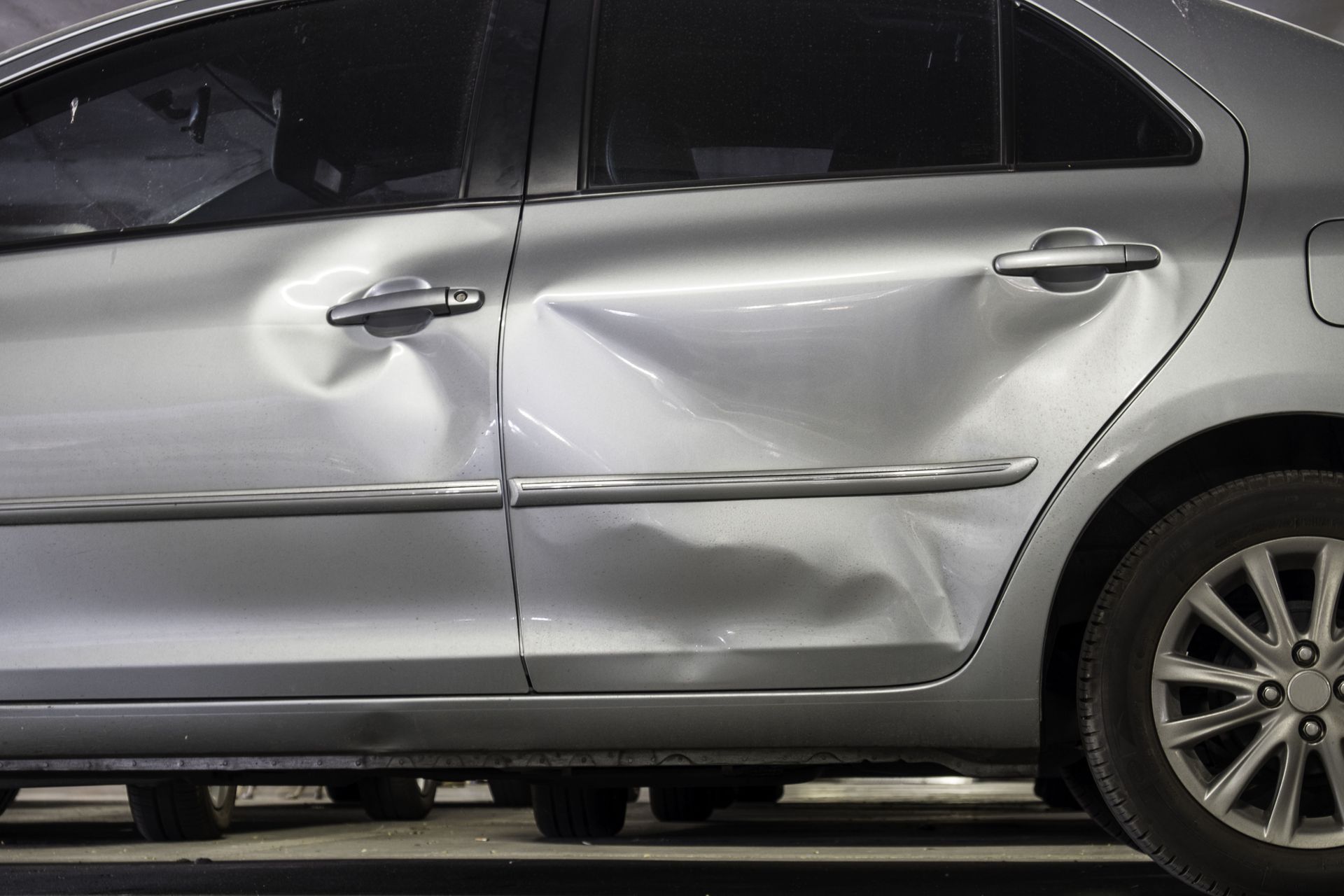
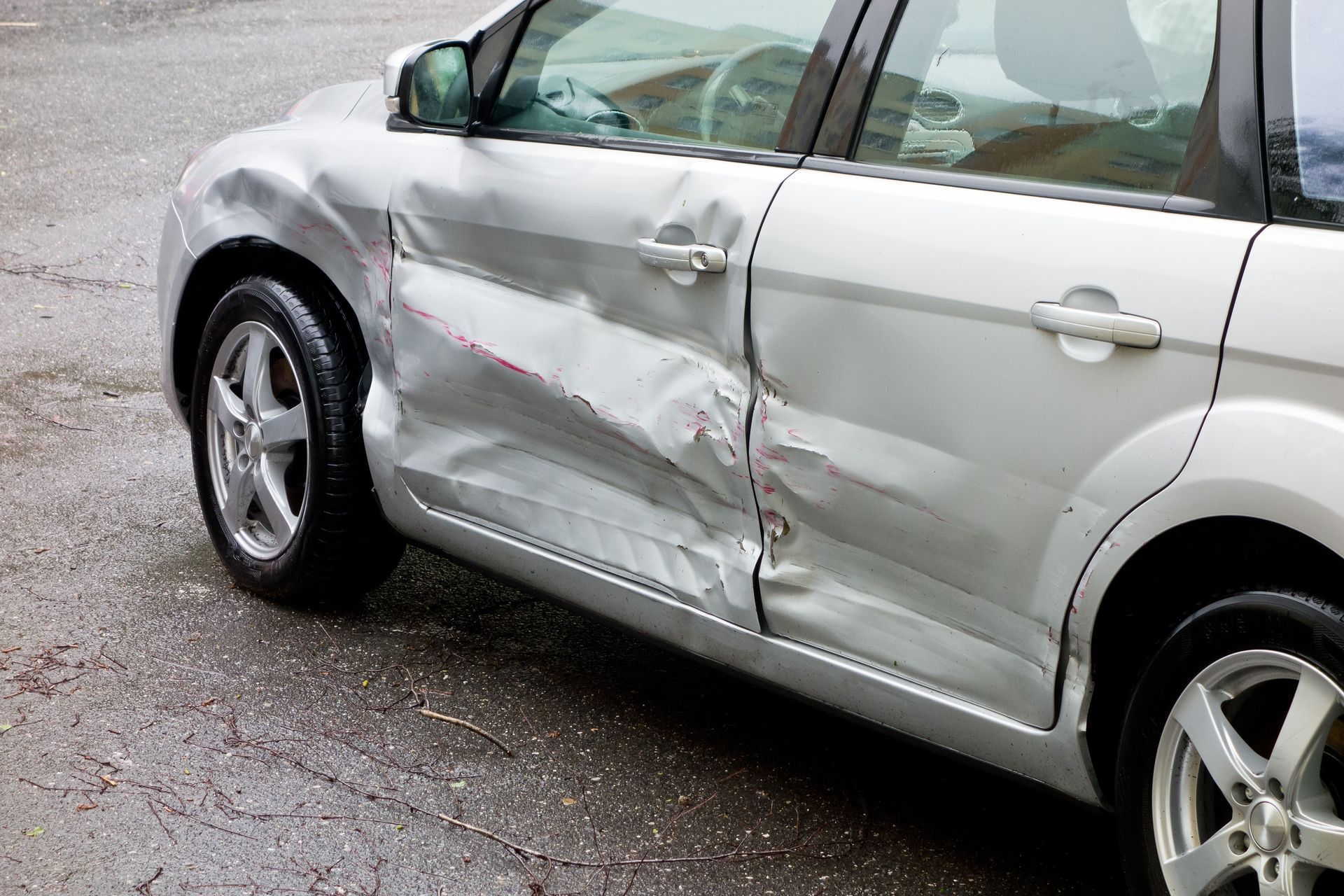
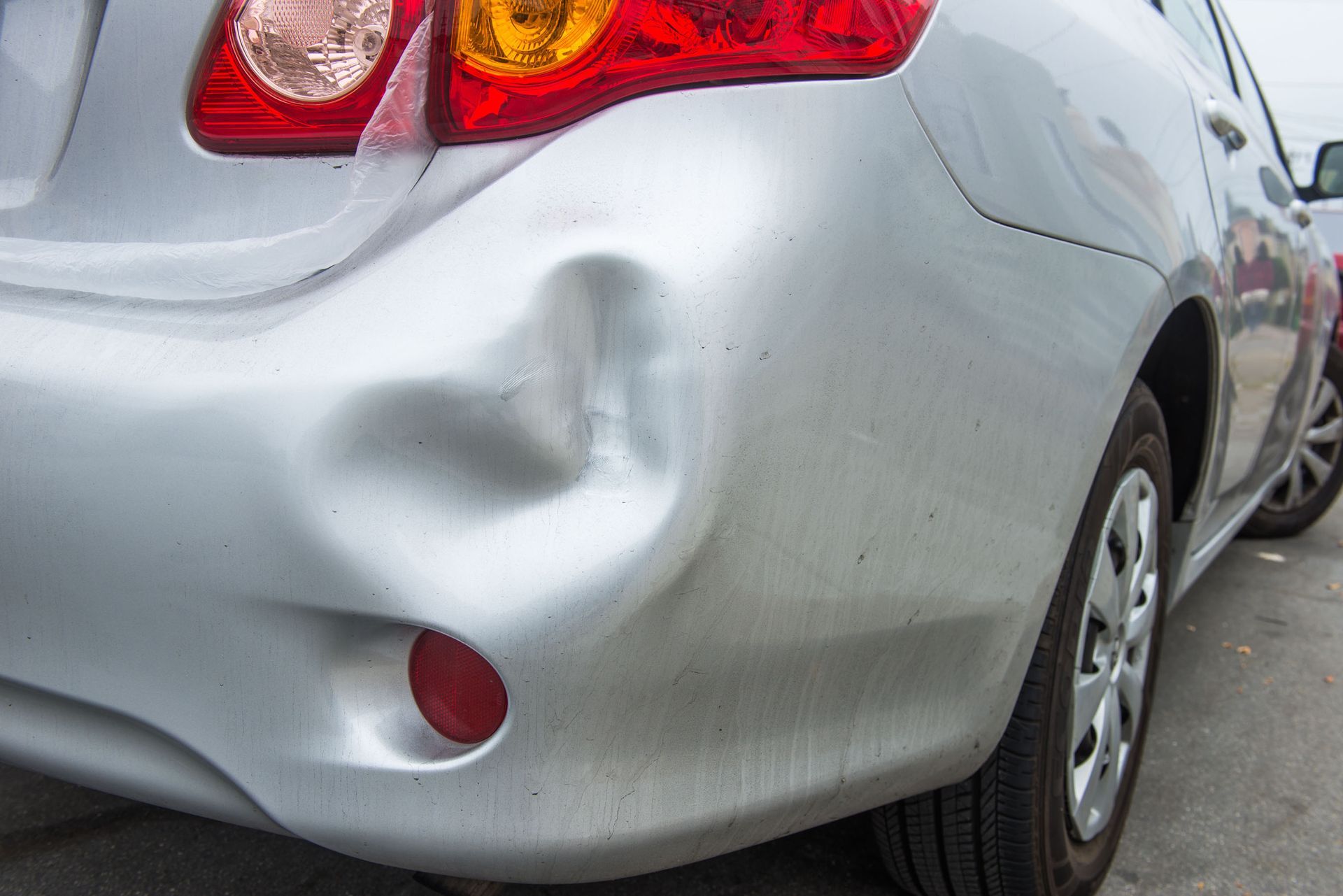
A dent can change the appearance of an otherwise well-maintained vehicle in an instant. Hail, parking lot mishaps, falling objects, and minor impacts can all leave behind visible imperfections even when the paint remains intact. When this happens, vehicle owners often want a repair option that restores the body without unnecessarily altering the factory-applied finish. Traditional bodywork can be effective, but certain dents may be corrected without sanding, filling, repainting, or replacing the affected panel.
That is where paintless dent removal can provide an important advantage. This specialized repair approach carefully reshapes damaged metal while retaining the existing paint whenever the condition of the dent makes that possible. By focusing on restoring the panel itself rather than covering the damage with new materials, professional technicians can help maintain more of what originally came with the vehicle. Understanding how this process protects the factory finish can make it easier to choose an appropriate repair method after minor body damage.
Preserving the Factory-Applied Paint
A vehicle’s original finish is created through a controlled manufacturing process designed to provide consistent color, coverage, and protection. Once that finish is damaged or removed, matching it precisely can require additional bodywork and refinishing. Even high-quality repainting involves introducing new materials to a panel that previously retained its factory coating. For owners who value originality, avoiding unnecessary refinishing can therefore be a significant benefit.
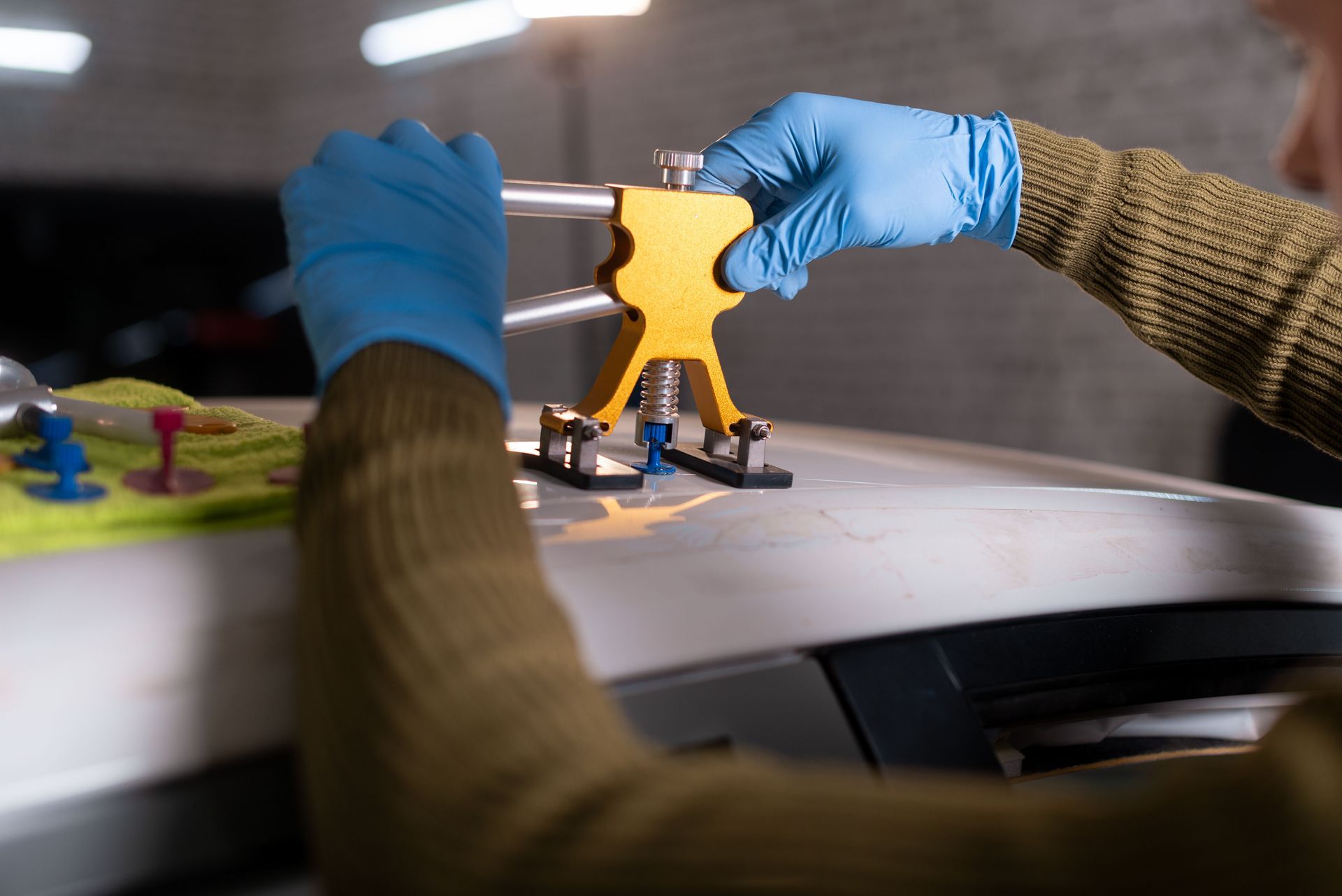
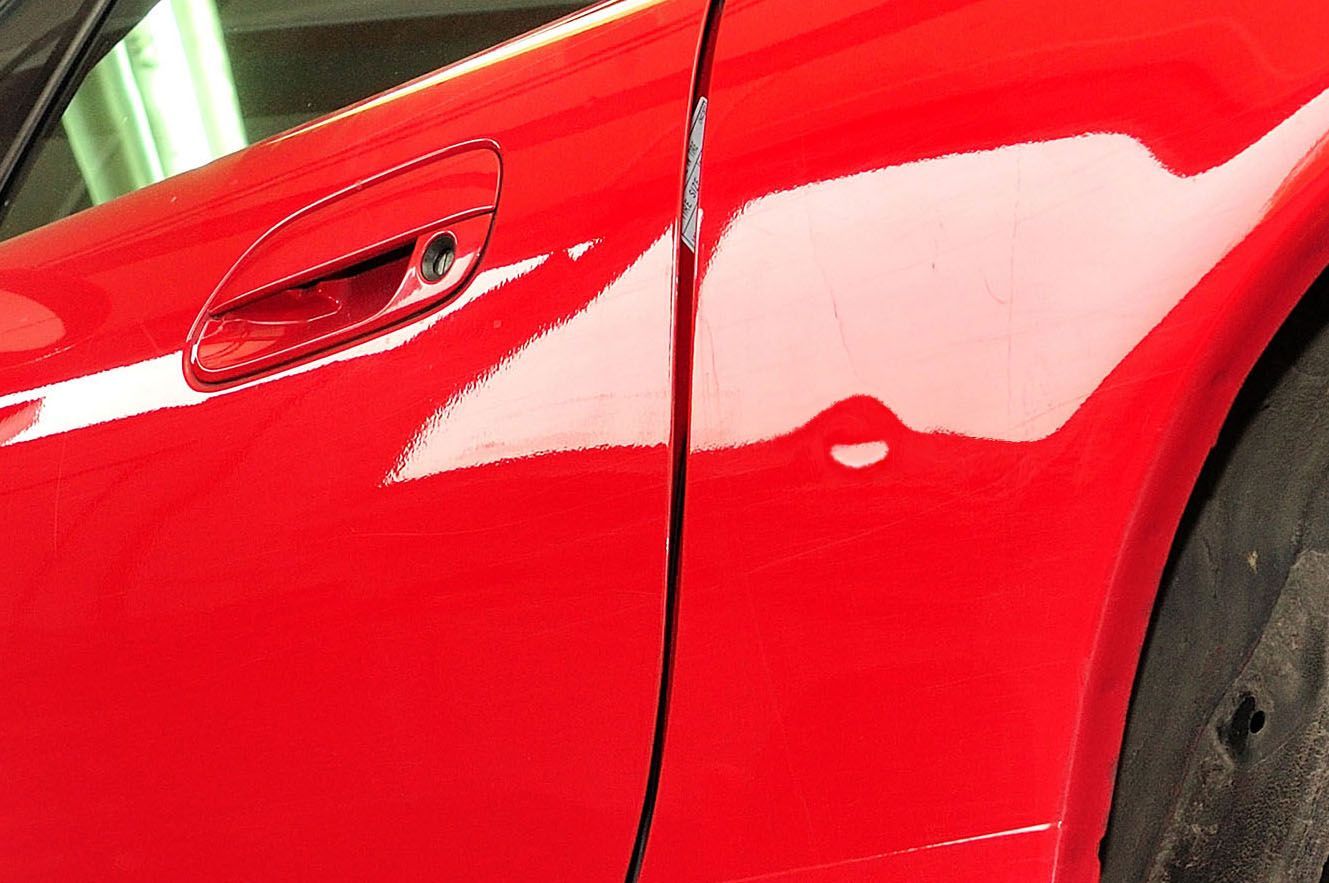
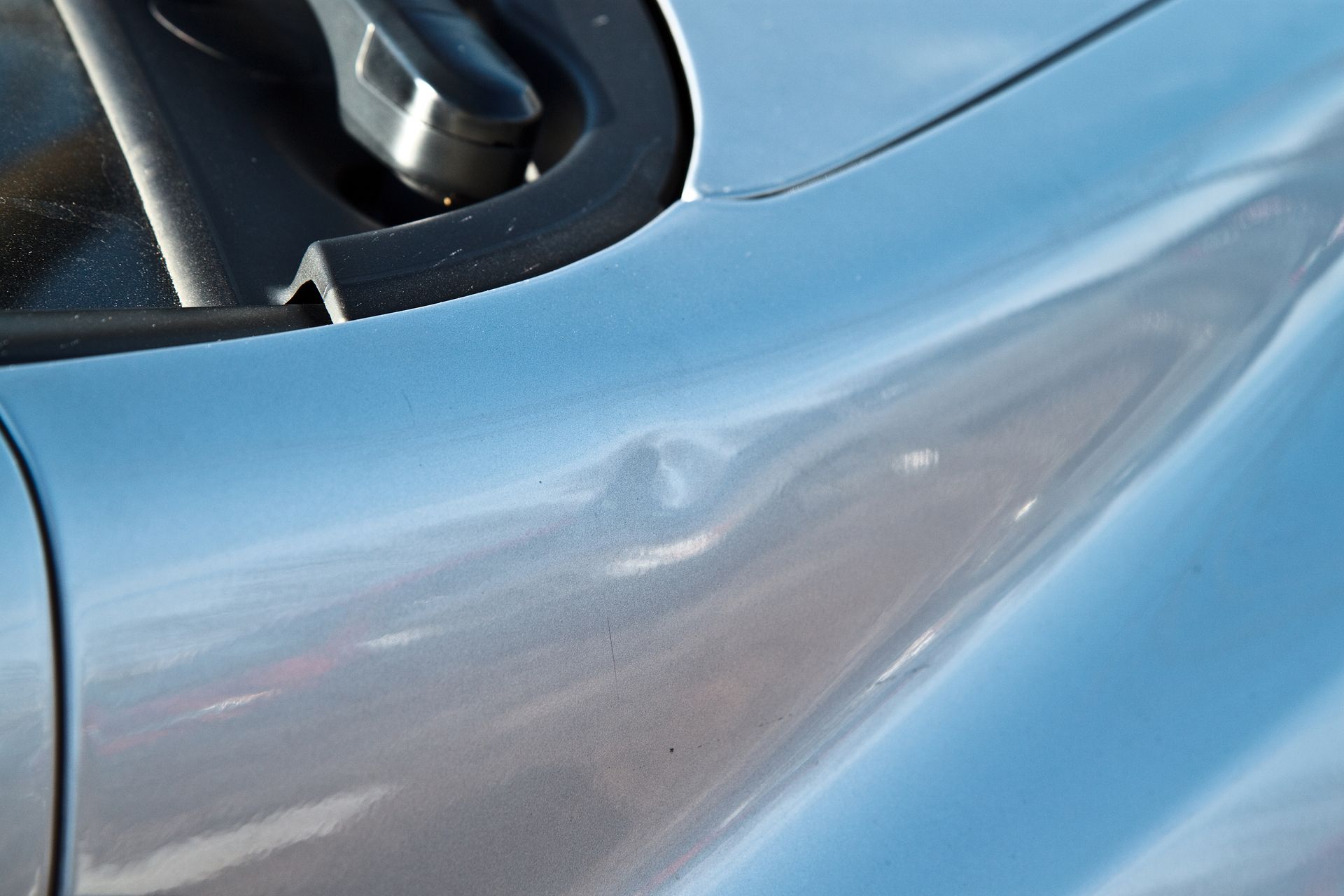
With paintless dent removal, technicians work to reshape the affected metal while leaving the existing paint surface in place. Rather than sanding away the finish to access or conceal the damaged area, the repair focuses on gradually restoring the panel’s original form. This distinction is particularly important when a dent has displaced the metal without cracking, chipping, or severely compromising the paint.
Reducing the Need for Refinishing Materials
Traditional dent repair may involve several different materials depending on the severity and location of the damage. Body filler, primer, paint, and clear coat can all become part of the repair when the damaged area must be resurfaced and refinished. These materials serve important purposes when conventional bodywork is necessary, but they may be avoidable when the original paint is still in good condition.
Professional paintless dent removal minimizes the need to add these materials because the goal is to correct the shape of the panel rather than rebuild its surface. Technicians evaluate the dent and determine whether the metal can be carefully manipulated back toward its previous position. When the damage is suitable for this technique, retaining the existing finish eliminates several refinishing processes that would otherwise change the panel’s surface.
Interest in this specialized service reflects its established role within automotive repair. According to Intent Market Research, the market for paintless dent repair services was valued at USD 4.3 billion in 2024. The size of the market highlights how widely this type of repair has become recognized as an option for addressing suitable dents while limiting unnecessary alterations to vehicle finishes.
Maintaining Consistent Color and Texture
Matching automotive paint involves more than selecting a color with the correct name. A vehicle’s appearance can be influenced by its finish, environmental exposure, surface condition, and the way light reflects from the paint. Even professional refinishing requires careful preparation and color matching to create a seamless appearance between repaired and untouched areas.
By preserving existing paint, paintless dent removal avoids introducing a newly painted surface where one may not be required. The repaired area continues to have the same original coating it had before the dent occurred. This can be especially valuable on panels with distinctive finishes where maintaining visual consistency is a priority.
Protecting the Vehicle’s Original Character
Originality can matter to vehicle owners for several reasons. Some simply appreciate knowing that their car still has as much factory material as possible. Others may pay close attention to previous bodywork when maintaining, selling, or evaluating a vehicle. Although appropriate conventional repairs are sometimes necessary, avoiding unnecessary refinishing helps preserve the vehicle closer to its pre-damage condition.
Choosing paintless dent removal for suitable damage allows the original panel and its factory coating to remain together. Instead of replacing a panel or rebuilding its exterior surface, a technician concentrates on correcting the deformation caused by the impact. This approach can be particularly appealing when the dent is noticeable but the surrounding paint has escaped significant damage.
Maintaining original components can also provide peace of mind for owners who are careful about the history of their vehicles. A properly repaired dent does not have to mean that an otherwise intact finish must be removed. When conditions allow, preserving what is already there can be preferable to introducing more extensive bodywork than the damage actually requires.
Addressing Minor Damage With Precision
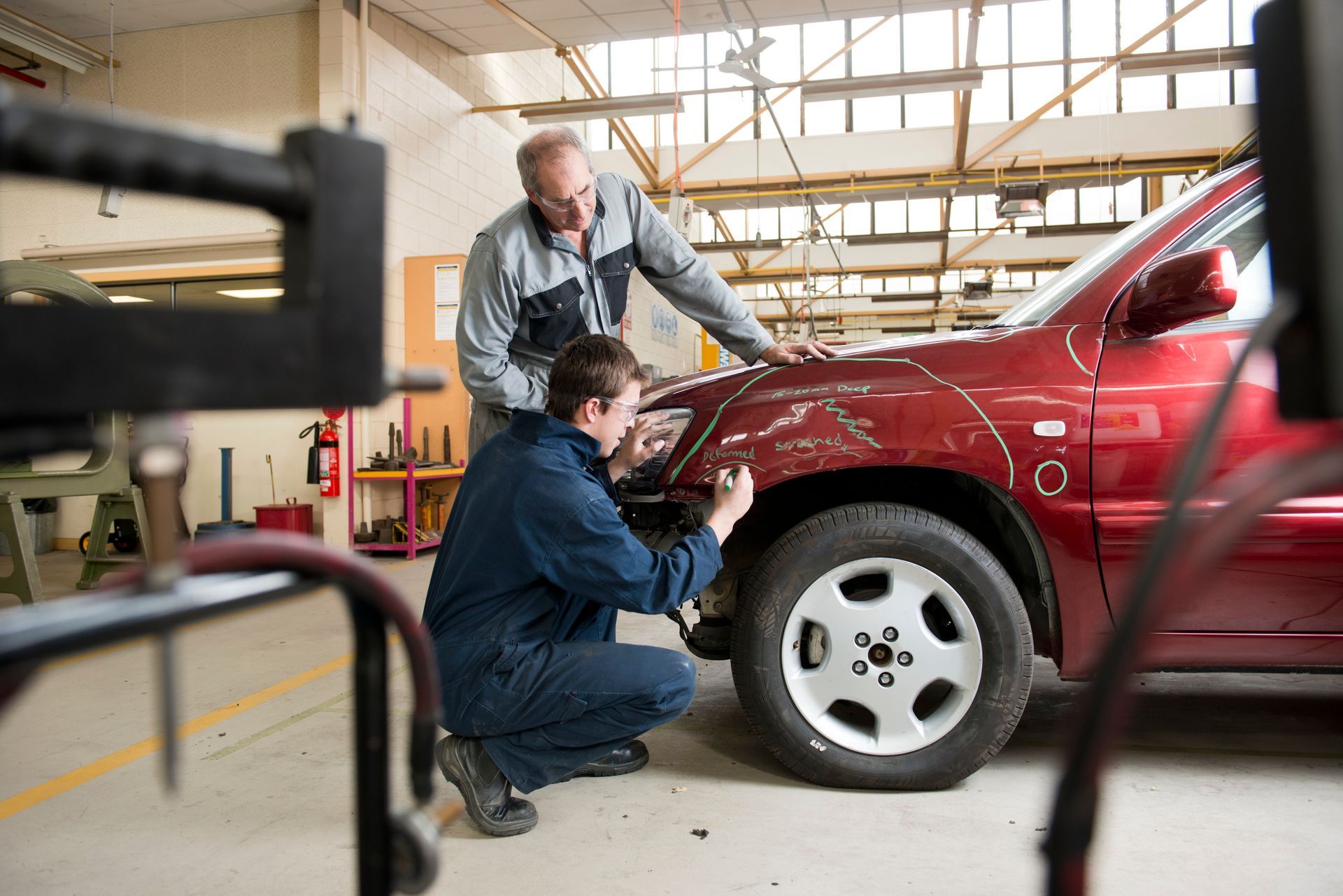
Not every dent is identical. Its depth, size, location, shape, accessibility, and effect on the paint can all influence whether a paintless technique is appropriate. For that reason, professional evaluation is an essential part of choosing a repair method. Technicians need to assess both the visible damage and the condition of the surrounding panel before determining how it should be corrected.
Successful paintless dent removal depends on controlled manipulation rather than aggressive alteration of the panel. Skilled technicians understand how automotive metal responds to pressure and how to work around the contours and structural characteristics of different body panels. The objective is to gradually restore the damaged area while protecting the finish above it.
Avoiding Unnecessary Changes to the Panel
A minor dent does not always justify an extensive repair process. When paint remains intact and the panel is otherwise structurally suitable, removing the original finish may create work that was not necessary to correct the underlying problem. A repair method that respects the existing condition of the vehicle can help keep the scope of work proportionate to the damage.
Using paintless dent removal can reduce those unnecessary changes. The process is centered on preserving the panel rather than replacing or resurfacing it whenever circumstances permit. This means the repair can remain focused on the specific deformation caused by the impact while leaving unaffected portions of the panel alone.
That focused approach is one reason professional assessment matters. Some dents require conventional collision repair because of paint damage, severe stretching, sharp creases, inaccessible locations, or other complications. A knowledgeable technician can distinguish between damage that is a strong candidate for paintless techniques and damage that requires a different solution. Selecting the right method helps protect both appearance and repair quality.
Restoring the Exterior Without Compromising Originality
The ultimate goal of dent repair is not simply to make damage less obvious. A quality repair should restore the appearance of the vehicle while taking into account the condition of its existing materials. When the paint is still intact, protecting it can be an important part of achieving that goal.
Professional paintless dent removal combines careful evaluation with specialized techniques designed to return suitable panels closer to their original shape. Because the factory finish stays on the vehicle, owners can address many common dents without automatically committing to sanding and repainting. This preservation-oriented approach is especially useful for vehicles that are otherwise in excellent cosmetic condition.
Preserving Your Vehicle With Professional Dent Repair
Minor body damage does not necessarily have to mean losing factory paint. When a dent is suitable for paintless dent removal, professional repair can restore the panel while preserving its original coating, color, texture, and overall character. Avoiding unnecessary refinishing also helps keep the repair focused on the actual damage rather than altering areas that remain in good condition.
Every dent should be evaluated individually because the appropriate method depends on the condition of both the metal and the paint. At Bismarck Dent Company, we can assess your vehicle’s damage and determine the right approach for restoring its appearance. Contact us today to learn how our professional dent repair services can help preserve your vehicle’s original finish.


Share On: