
Everything You Need to Know About Paintless Dent Removal
Dents and dings can happen without warning, whether a vehicle is caught in a parking lot incident, struck by hail, or affected by another minor impact. While these blemishes may seem primarily cosmetic, they can change the appearance and perceived condition of a vehicle. Paintless dent removal offers a specialized way to address many minor dents without repainting the affected panel. Understanding how the process works and when it is appropriate can help vehicle owners make informed decisions about professional auto body care.
Unlike conventional body repair, this approach focuses on carefully reshaping the damaged metal while preserving the existing finish when conditions allow. The process requires specialized tools, controlled pressure, and knowledge of how automotive panels respond to manipulation. Every dent has different characteristics, so a professional evaluation is important before determining whether this method is suitable. Factors such as location, depth, size, metal condition, and paint integrity can all influence the potential outcome.
Understanding Paintless Dent Repair
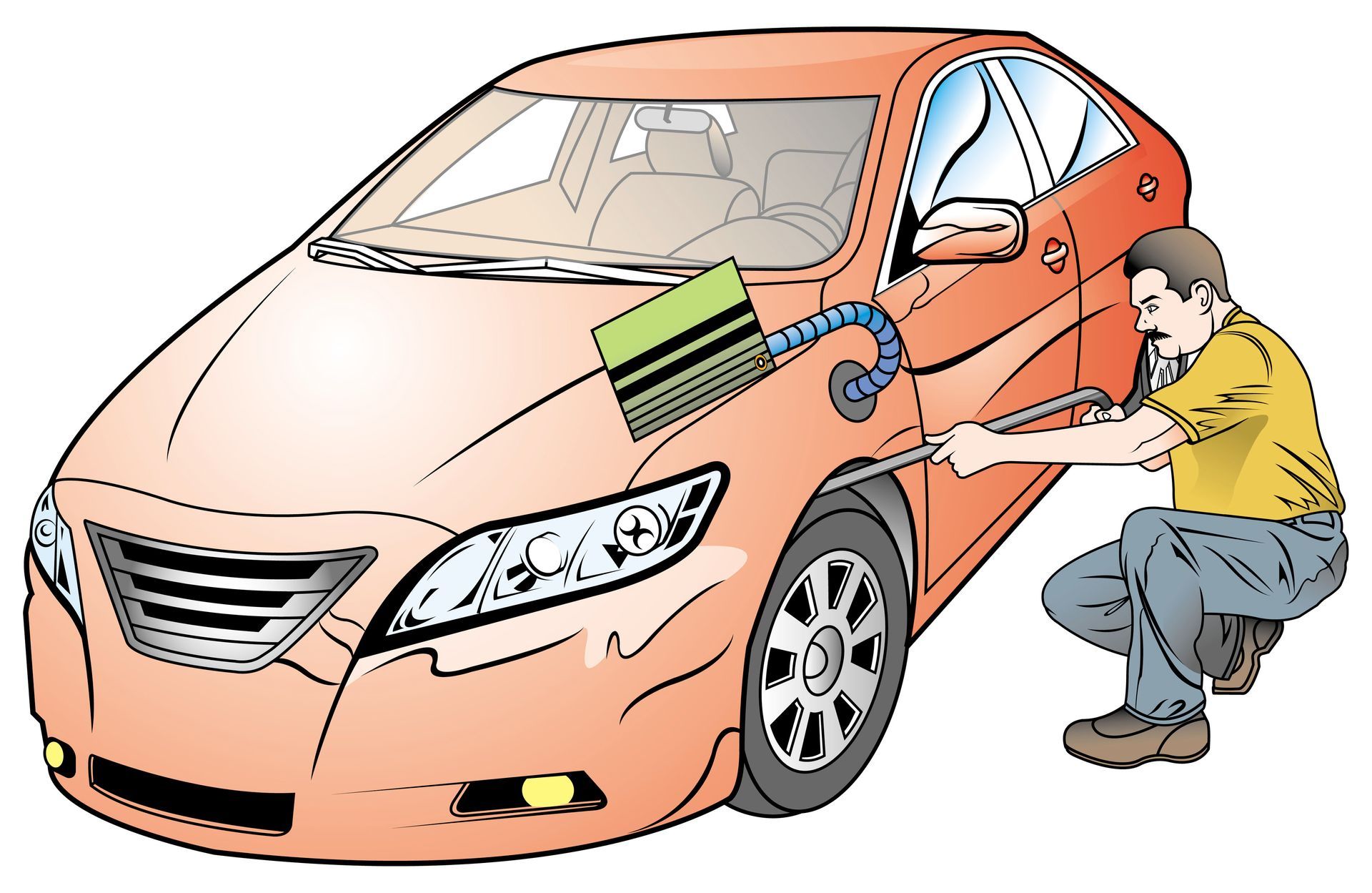
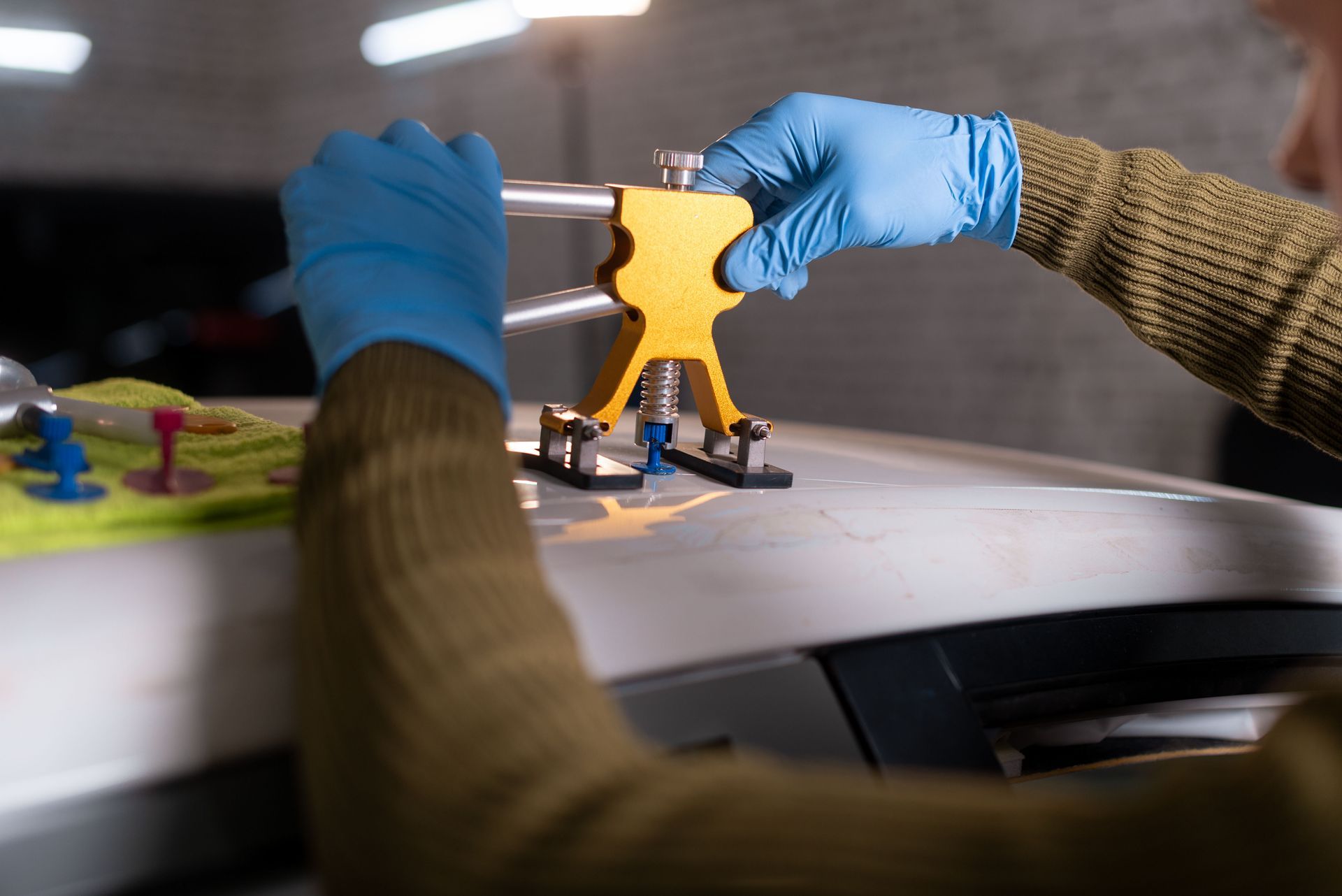
Paintless dent removal is a professional technique designed to restore certain damaged panels without traditional body filler or repainting. Technicians access the back side of a panel and use specialized instruments to gradually return the metal toward its original shape. This method can preserve the factory finish when the paint remains intact. The goal is to restore the panel while maintaining its existing appearance.
The process requires precision rather than simply pushing a dent outward. Technicians carefully determine where pressure should be applied and how the metal will respond as the repair progresses. Specialized lighting can reveal subtle changes in the panel that may not be visible under ordinary conditions. This precision makes professional experience an important part of achieving a clean result.
Identifying Suitable Dent Types
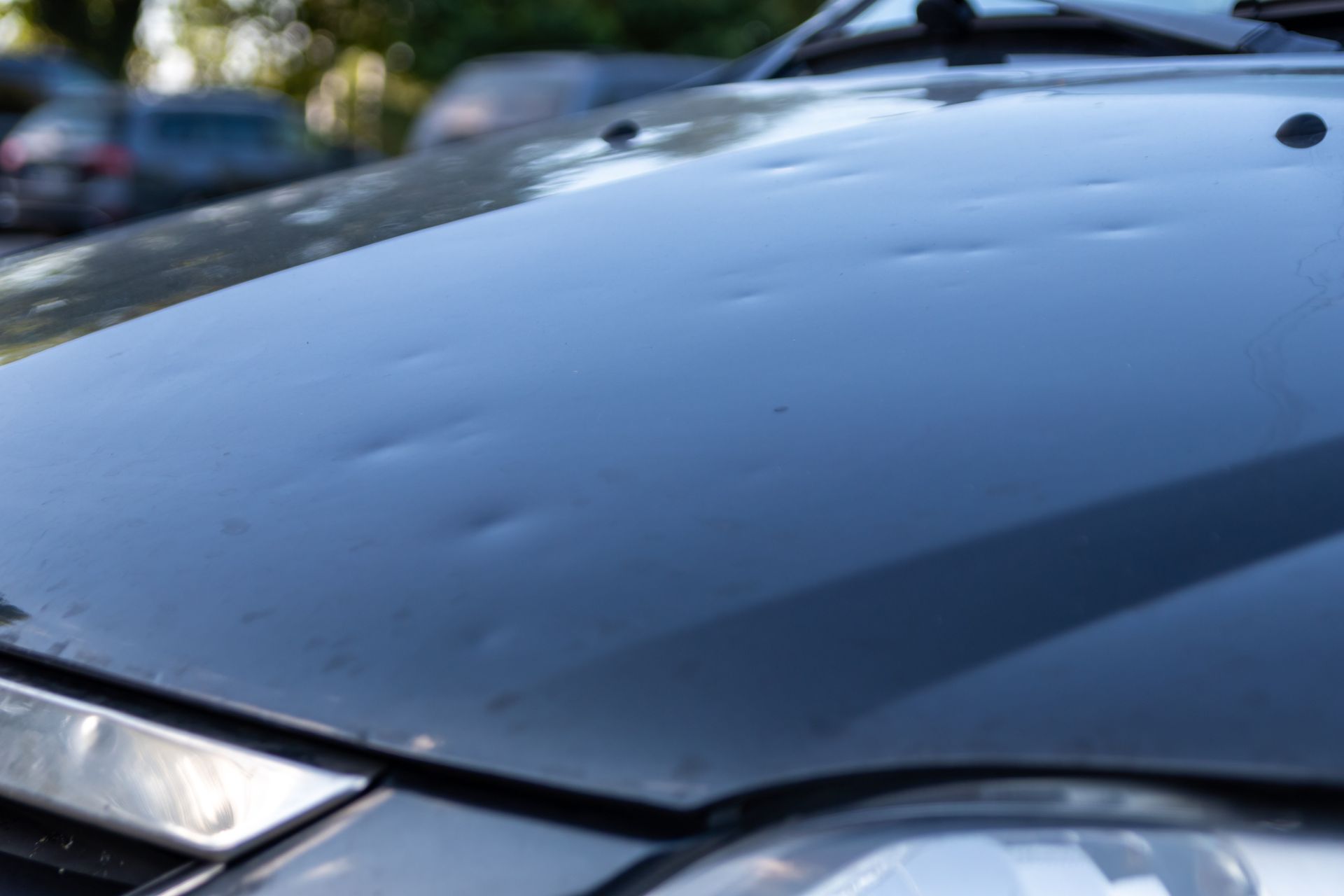
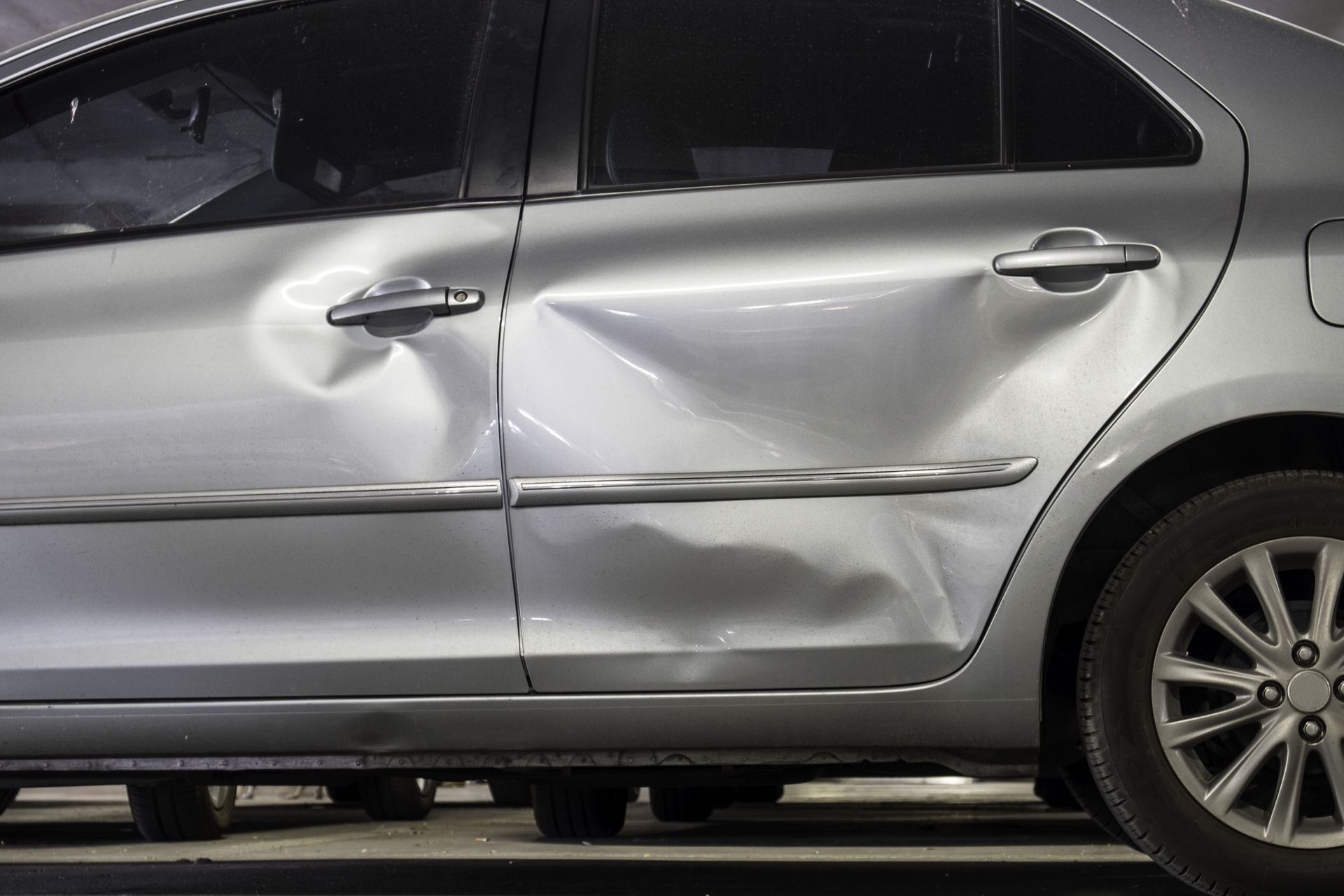
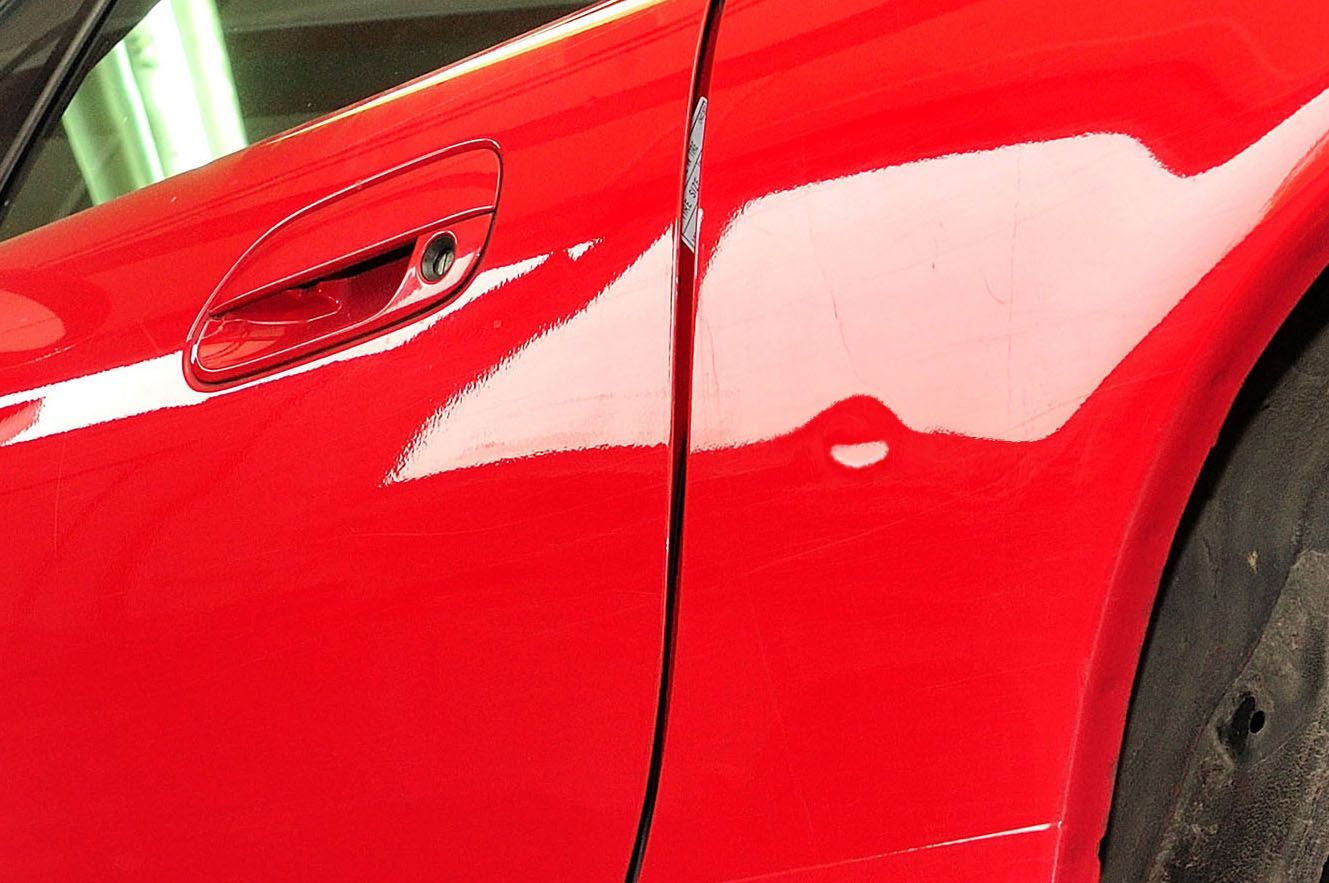
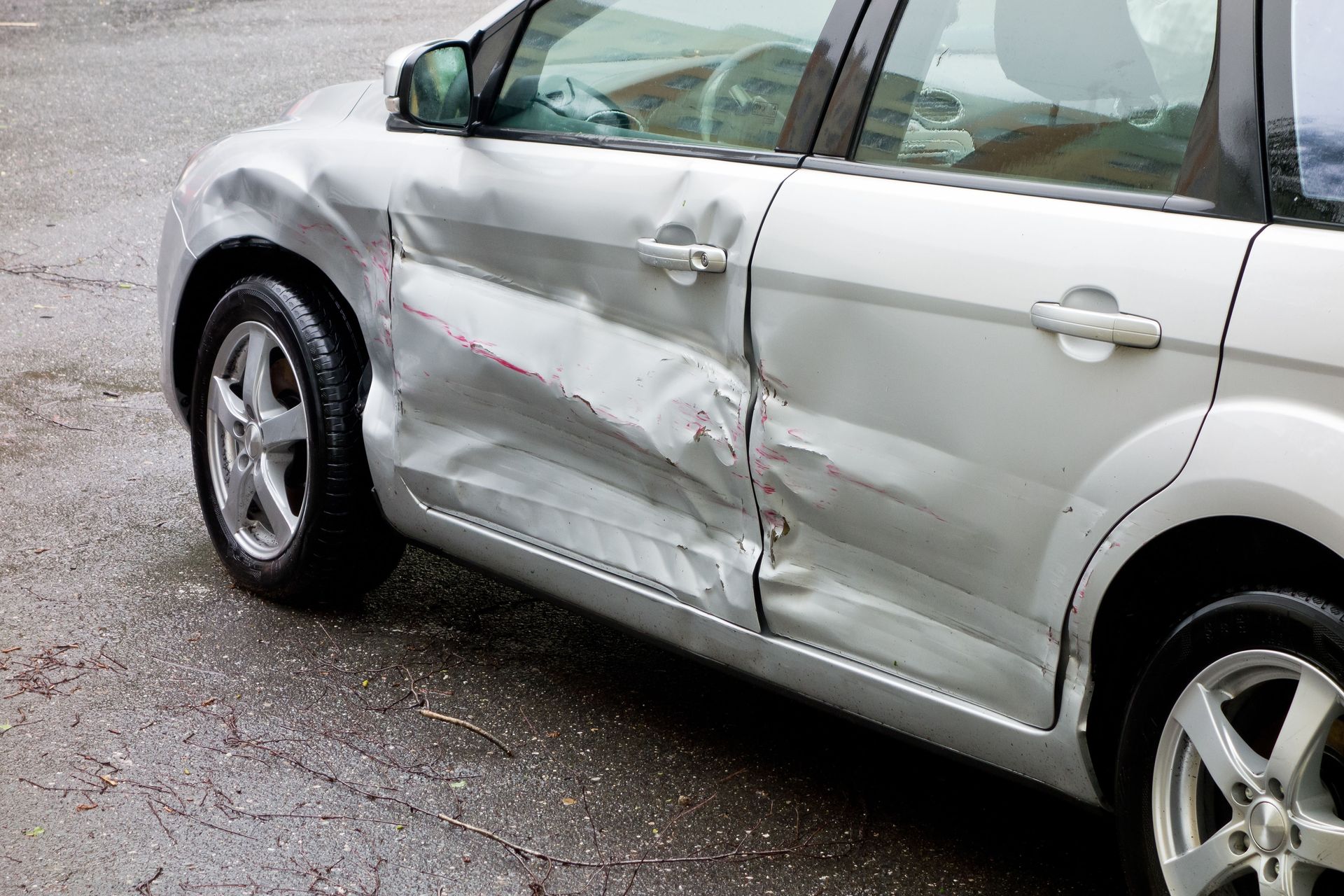
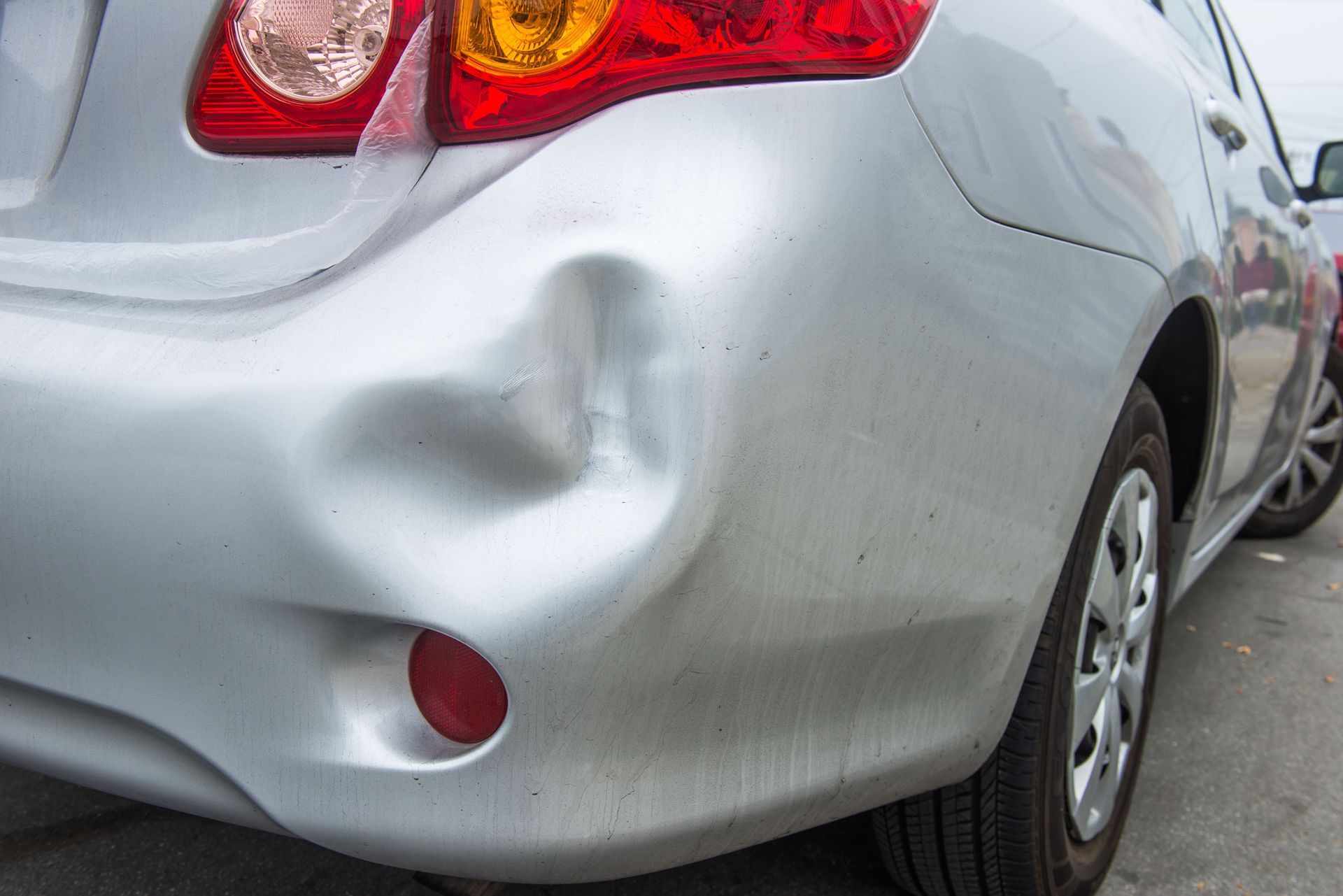
Not every dent is appropriate for paintless dent removal. The technique is generally most effective for relatively minor damage where the paint remains intact and the underlying panel can be manipulated. Shallow door dings, small hail dents, and certain parking lot impacts may qualify. More severe damage may require conventional body repair instead.
The location of the damage also affects repairability. Dents near panel edges, structural reinforcements, seams, or difficult access points can present additional challenges. A professional technician can inspect the damage and determine whether PDR is appropriate. This evaluation helps establish realistic expectations before repair work begins.
Preserving Factory Paint Finishes
One significant advantage of paintless dent removal is its ability to preserve the vehicle's existing finish when conditions are suitable. Factory-applied automotive paint is designed through controlled manufacturing processes, so maintaining that finish can help preserve visual consistency. Avoiding unnecessary refinishing may also prevent differences in texture or color between a repaired panel and surrounding areas. The condition of the paint still determines whether this approach is practical.
Preserving the original finish can be particularly useful on newer vehicles or those with distinctive factory colors. A technician evaluates whether the paint remains intact and flexible enough for the repair process. Cracked, chipped, or heavily compromised finishes may require another repair method. The recommended solution should reflect the actual condition of the vehicle rather than the appearance of the dent alone.
Examining Dent Location and Depth
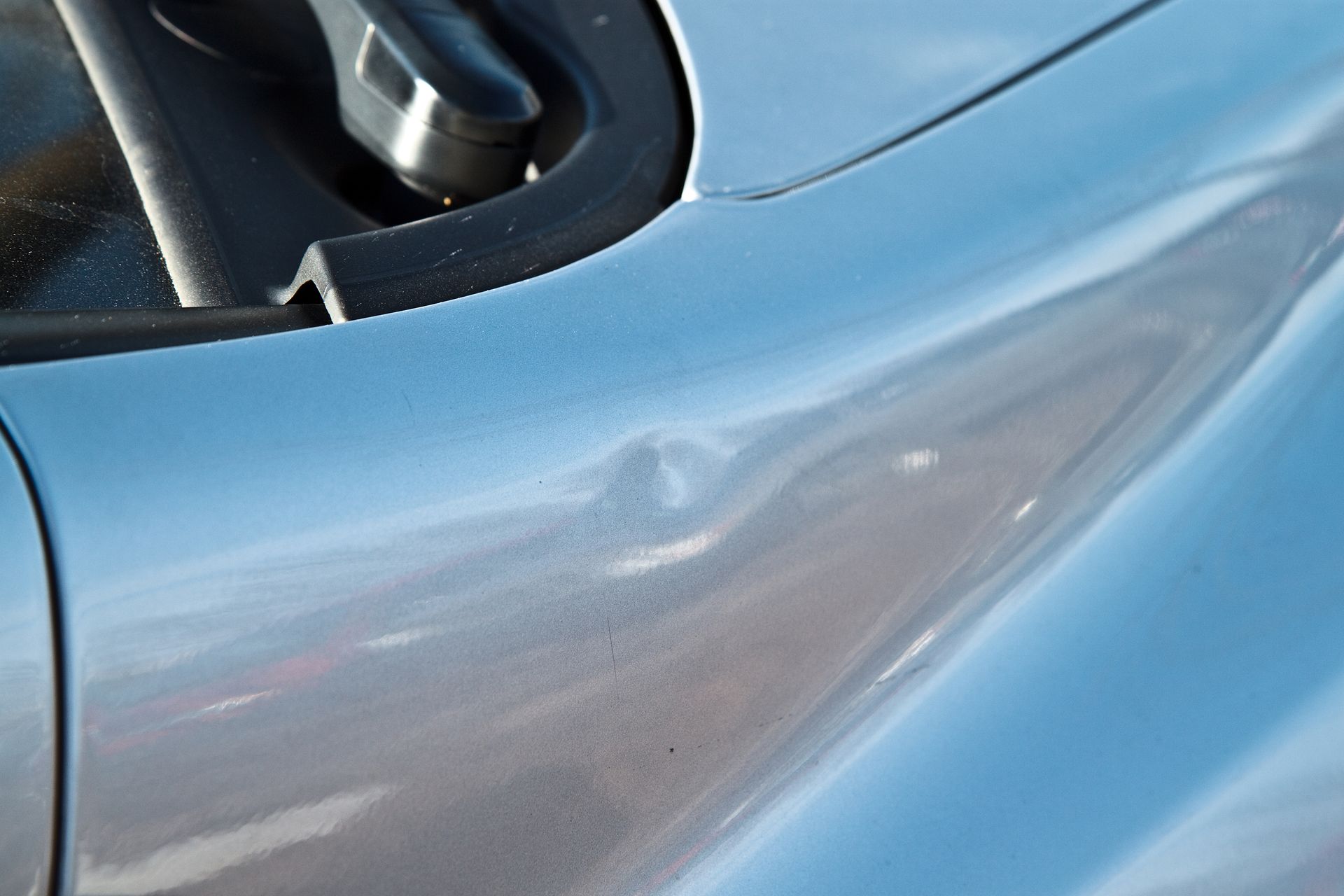
The position and depth of a dent can significantly affect how it should be repaired. A broad, shallow indentation may respond differently than a sharp crease concentrated in a small area. Dents in open portions of a panel can provide better access and room for controlled repairs. Damage near seams, braces, edges, or structural components may require more extensive evaluation.
Technicians examine the contours surrounding the damaged area instead of focusing only on the center. This helps them understand how the impact affected the panel and where controlled pressure may be necessary. Professional assessment can also reveal secondary damage that may not be immediately noticeable. Evaluating the complete area supports a more accurate repair plan.
Evaluating Paint Condition
The condition of the paint is another key consideration when determining whether paintless dent removal is appropriate. Automotive finishes can tolerate controlled panel movement under suitable conditions, but damaged or brittle paint may respond differently. Scratches, cracks, chips, and previous refinishing can change how a panel behaves during repair. These characteristics should be evaluated before treatment begins.
A professional technician can inspect both the dent and surrounding finish before recommending a repair approach. If the paint is already compromised, preserving it may not be possible or advisable. Conventional refinishing may be more appropriate when damage extends beyond the panel's shape. Matching the repair method to the vehicle's condition helps support a suitable outcome.
Understanding the Professional Repair Process
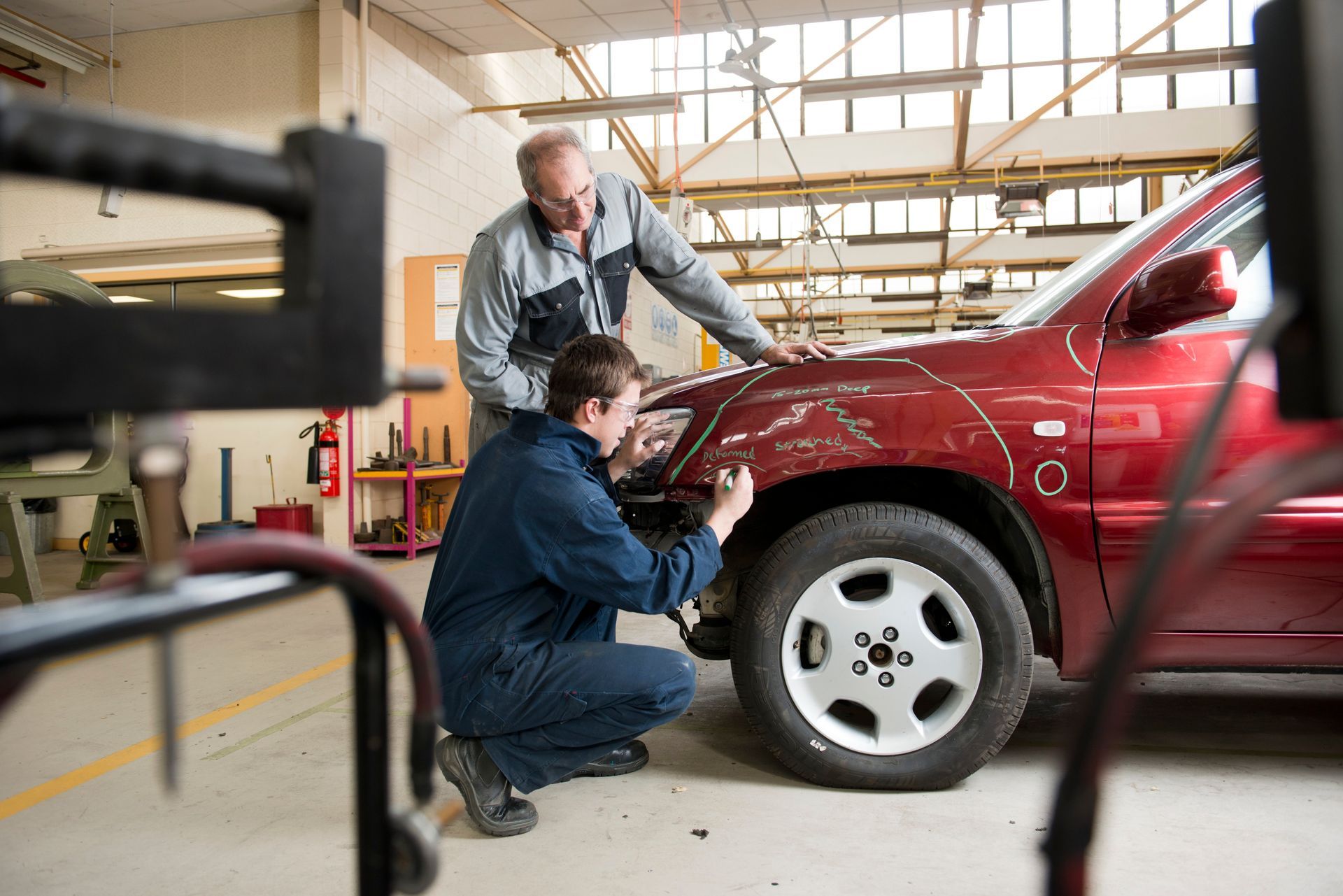
The repair process typically begins with an inspection of the vehicle and damaged area. The technician considers the panel material, size, depth, location, paint condition, and accessibility before determining the appropriate approach. Once a plan is established, specialized tools are positioned to reach the affected portion of the panel. Controlled movements gradually reshape the metal rather than relying on a single forceful adjustment.
Lighting and reflections are often important during the process because subtle changes in a panel can be difficult to see. Technicians work carefully to maintain the surrounding contours and minimize visible distortion. The time required can vary according to the number and complexity of dents being addressed. A professional evaluation provides a clearer understanding of the expected repair process.
Comparing PDR With Conventional Repairs
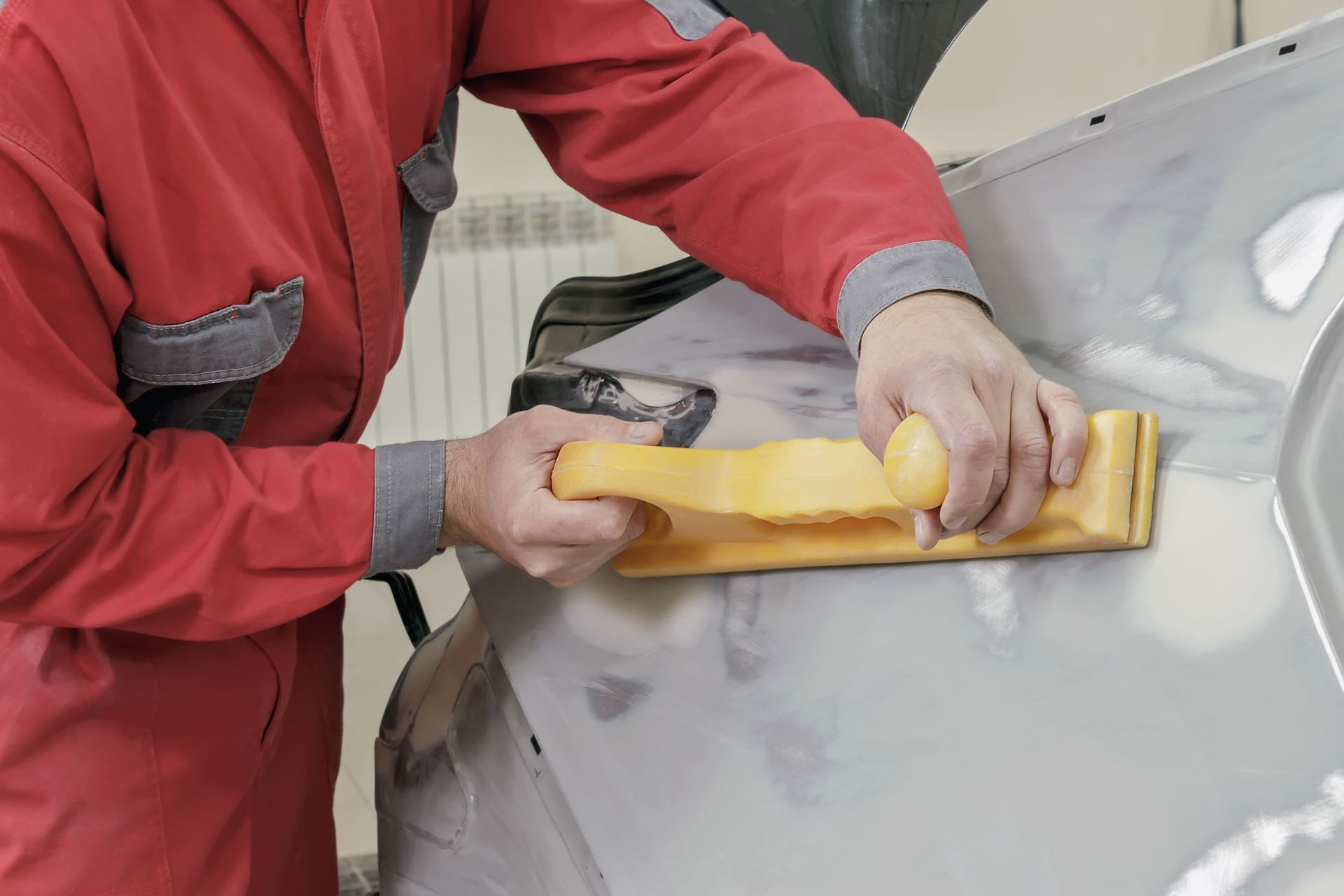
Traditional body repair can involve filling, sanding, priming, painting, and refinishing damaged panels. Those methods remain important when collision damage has affected paint, metal, or other components beyond what PDR can address. Paintless dent removal provides an alternative for qualifying damage by focusing on reshaping the existing panel. Neither approach is appropriate for every situation, so the vehicle's condition should determine the repair method.
Choosing between these approaches requires more than looking at the visible dent. A professional inspection can determine whether the damage is limited enough for PDR or whether additional bodywork is necessary. This evaluation helps vehicle owners understand why a particular repair method may be recommended. The right solution depends on the specific characteristics of the vehicle and its damage.
Recognizing Common PDR Applications
Paintless dent removal is commonly considered for minor cosmetic damage caused by everyday driving incidents. Parking lot dings, small door impacts, hail-related dents, and certain low-impact collisions may create damage that fits the technique's applications. According to AAA, an estimated 80% to 90% of minor dents and dings may be repairable through PDR techniques. This figure demonstrates the broad potential application of the method, while individual repairability still requires professional evaluation.
Hail damage is one example where numerous small dents can appear across a vehicle's exterior. A qualified technician can evaluate whether the affected panels and existing finish are suitable for PDR rather than automatically treating the damage as a conventional body repair. Similar considerations apply to isolated parking lot dents and other minor impacts. The characteristics of each individual dent ultimately determine whether the technique is appropriate.
At Bismarck Dent Company, we help vehicle owners address minor dents and cosmetic damage with professional repair solutions. Our team can evaluate the affected panel, consider the condition of the paint and surrounding bodywork, and determine whether paintless dent removal is suitable for your vehicle. We focus on careful workmanship and a repair approach based on the specific characteristics of each vehicle. Contact Bismarck Dent Company today to schedule an evaluation and discuss the right solution for your vehicle's dent repair needs.


Share On: